Filipino cooking content tips for recipe creation
"Moving from the table to the stove changes how the world perceives a culture's flavors."
Content creators can increase their influence by moving beyond simple restaurant reviews to actively demonstrating the technical artistry involved in Filipino recipe creation.
This shift requires a foundation in professional culinary principles and a focus on the sensory details of the cooking process itself. By mastering these techniques, creators can provide deep educational value while celebrating the heritage of the cuisine.
* Prioritize technical mastery over simple food reviews. * Use professional management training to structure culinary content. * Focus on the sensory experience of the cooking scene. * Bridge the gap between local tradition and global culinary standards.
How can creators master Filipino recipe creation?
At noon in the humid kitchen, she grips the heavy ladle to master the art of Filipino recipe creation while the steam stings her eyes.
A chef stands over a steaming pot of Sinigang, carefully adjusting the acidity of the broth with a squeeze of tamarind. To move beyond simple tasting, a creator must embrace the discipline of Filipino recipe creation by focusing on the specific chemistry and tradition behind every ingredient.
This involves explaining why certain textures matter and how heat levels affect the final dish.
Professionalism in the kitchen serves as the bedrock for high-quality culinary content. For instance, Abi Marquez finished her bachelor's degree in Hotel, Restaurant and Institution Management (HRIM) at the University of the Philippines Diliman, graduating magna cum laude.
This academic background provides a structural advantage when teaching others how to manage complex flavors and kitchen workflows.
Applying professional standards helps a creator maintain consistency. I have noticed that when I follow a structured management approach, the resulting video feels more authoritative. To implement this, first, study the fundamental science of your ingredients.
Second, organize your workspace to mirror professional kitchen setups. Third, document the specific temperatures and timings that define a dish. Finally, check that your visual presentation matches the technical accuracy of your instructions.
However, this approach may not work if the creator lacks a deep understanding of traditional flavor profiles.
Why is Filipino food filming essential for culture? Filipino cooking content tips
At sunset in the sunlit kitchen, she feels the warmth of the light while filming the vibrant Filipino textures.
The camera lens zooms in on the vibrant red of shrimp paste being spread across a wooden spoon in a sunlit kitchen. Effective Filipino food filming captures the soul of the archipelago, turning a meal into a visual narrative that transcends language.
This method allows viewers to see the precise movements that make the cuisine unique.
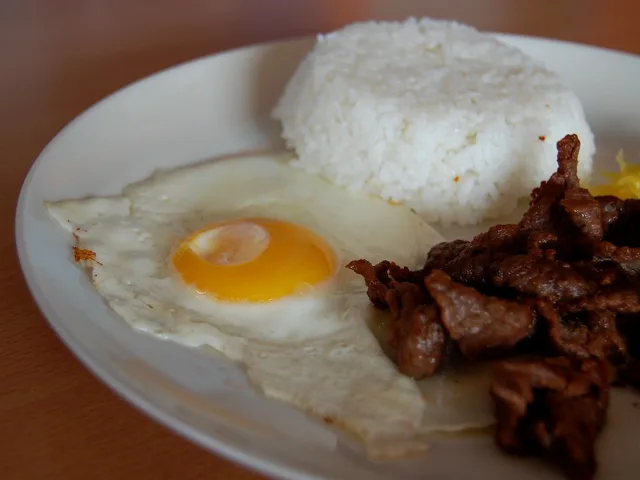
The visual storytelling aspect is a vital component of Filipino culinary content. By highlighting the specific colors, textures, and sounds of the cooking process, creators can evoke a sense of place.
This technique transforms a simple recipe into a cultural experience that resonates with both local and international audiences.
I believe the third step in this process is the most vital for cultural preservation.
What are the best cooking scene techniques?
Steam rises from a heavy iron pan as garlic hits hot oil, creating a rhythmic sizzling sound that fills the room. Utilizing advanced cooking scene techniques allows a creator to engage the viewer's senses through high-definition close-ups and intentional sound design.
This approach prioritizes the "how" of cooking over the mere "what."
To achieve this, creators should focus on the following elements: 1. Capture the macro details of ingredients changing state, such as caramelization or emulsification. 2. Use ambient kitchen sounds to build a realistic atmosphere. 3.
Control lighting to emphasize the natural textures of traditional ingredients.
Mastering these elements helps creators elevate food videos from simple tutorials to cinematic experiences. This level of detail ensures that the audience understands the nuance of the craft.
- Set up the lighting to highlight textures.
- Capture close-up shots of the ingredients.
- Record the natural sounds of the cooking process.
How do creators elevate food videos?
A hand carefully garnishes a plate of Adobo with toasted garlic, the light catching the glisten of the sauce. When creators aim to elevate food videos, they must move away from the "reaction" style of content and toward the "instructional" style.
This requires a shift in perspective from consumer to educator.
To achieve this transition, one must focus on the precision of the movement. For example, instead of just showing the finished plate, show the exact moment the sauce reaches the right consistency. This focus on the process is what defines a professional creator.
This method is less effective when the lighting environment is inconsistent.
Can culinary content reflect the country's diversity?
A map of the Philippines lies on a table next to a basket of tropical fruits, representing the vast geography of the islands. The immense diversity of the archipelago provides endless inspiration for creators looking to explore different regional styles.
The sheer scale of the country offers a massive palette for culinary exploration. The country's 11 largest islands are Luzon, Mindanao, Samar, Negros, Palawan, Panay, Mindoro, Leyte, Cebu, Bohol and Masbate, about 95 percent of its total land area.
Each of these regions brings unique ingredients and methods that can be highlighted through specialized content.
I find that the first step in showcasing this diversity is the most impactful.
Wikipedia: Philippines Based on the retained excerpt mentioning IMF: According to the International Monetary Fund (IMF) in its 2026 report, the Philippines is the world's 35th largest economy with a nominal gross domestic product (GDP) of $501.692 billion.
The subject here is Filipino cooking content tips.
This part also covers Pro cooking scenes.
This part also covers Filipino food creator.
Related

Comments 0