Low cost recipe strategy: Guide for food channel success
"The kitchen is the heart of the home, but for a growing digital creator, the pantry is the foundation of the business."
Developing a low cost recipe strategy requires balancing ingredient accessibility with creative culinary execution. This guide explores how content creators can leverage local ingredients to build sustainable food channels.
Key takeaways include utilizing high-yield local commodities, understanding regional production scales, and managing production costs through smart ingredient selection.
How can a creator implement a low cost recipe strategy?

A chef stands at a wooden counter, slicing through a fresh coconut to prepare a base for a traditional sauce. This low cost recipe strategy focuses on utilizing abundant local resources to minimize grocery expenses while maximizing flavor profiles.
By focusing on ingredients that are produced in massive quantities locally, creators can ensure their recipes remain affordable for their audience.
For instance, according to figures published in December 2009 by the Food and Agriculture Organization of the United Nations, the Philippines is the world's second largest producer of coconuts, producing 19,500,000 tonnes in 2009.
Using such high-volume staples allows for consistent, budget-friendly content.
A secondary aspect of a low cost recipe strategy involves seasonal shopping to reduce waste. When creators cook with what is currently in abundance, they can teach their viewers how to cook on a budget effectively. This approach turns necessity into a unique brand identity.
- Audit existing pantry staples to minimize unnecessary purchases.
- Develop versatile base recipes that can be modified with different toppings.
- Scale ingredient quantities to match specific production needs without waste.
What are the best budget cooking strategy methods?
In the quiet pantry, a hand reaches for a heavy bag of rice to measure out the cost of a new budget cooking strategy.
A hand reaches for a bag of rice, measuring out portions for a week of meal prep. Implementing a budget cooking strategy often begins with inventory management and the use of versatile staples.
Successful creators often turn simple pantry items into gourmet-style meals to demonstrate value. The goal is to show that high-quality content does not require expensive specialty imports. Instead, the focus remains on the technique used to elevate basic goods.
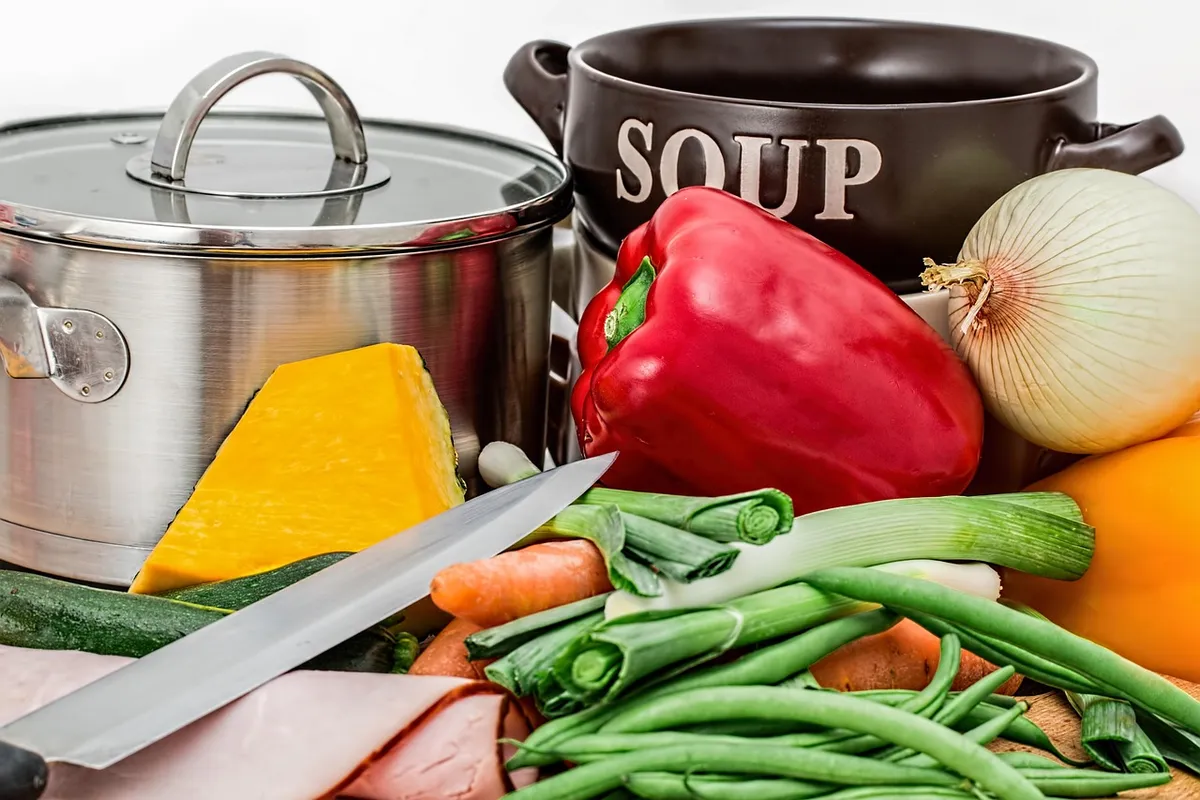
A budget cooking strategy also relies on understanding the cost-per-serving of various ingredients. Creators can build entire video series around a single staple, showing its many uses. This helps viewers see the practical application of the recipes in their own daily lives.
Focus on bulk purchasing of non-perishable goods and utilizing versatile ingredients that serve multiple purposes across different dishes.
Why is low budget food ideas focus important for growth?
A camera lens focuses on a simmering pot of stew as steam rises into the kitchen air. Focusing on low budget food ideas helps a channel reach a wider demographic of viewers who are looking for practical meal solutions.
When a channel specializes in low budget food ideas, it solves a specific problem for the audience: eating well without overspending. This niche provides a clear path to building a loyal community of followers.
Building a brand around low budget food ideas requires constant experimentation with textures and spices. Creators must prove that flavor is not strictly tied to a high price tag. This builds trust and authority within the food community.
Prioritizing cost-effective recipes allows creators to maintain higher profit margins and reach a wider audience of budget-conscious consumers.
How to master affordable recipe tips?
A person carefully arranges colorful vegetables on a plate to create a visually stunning meal. Mastering affordable recipe tips involves learning how to stretch expensive proteins with fillers or vegetable-based alternatives.
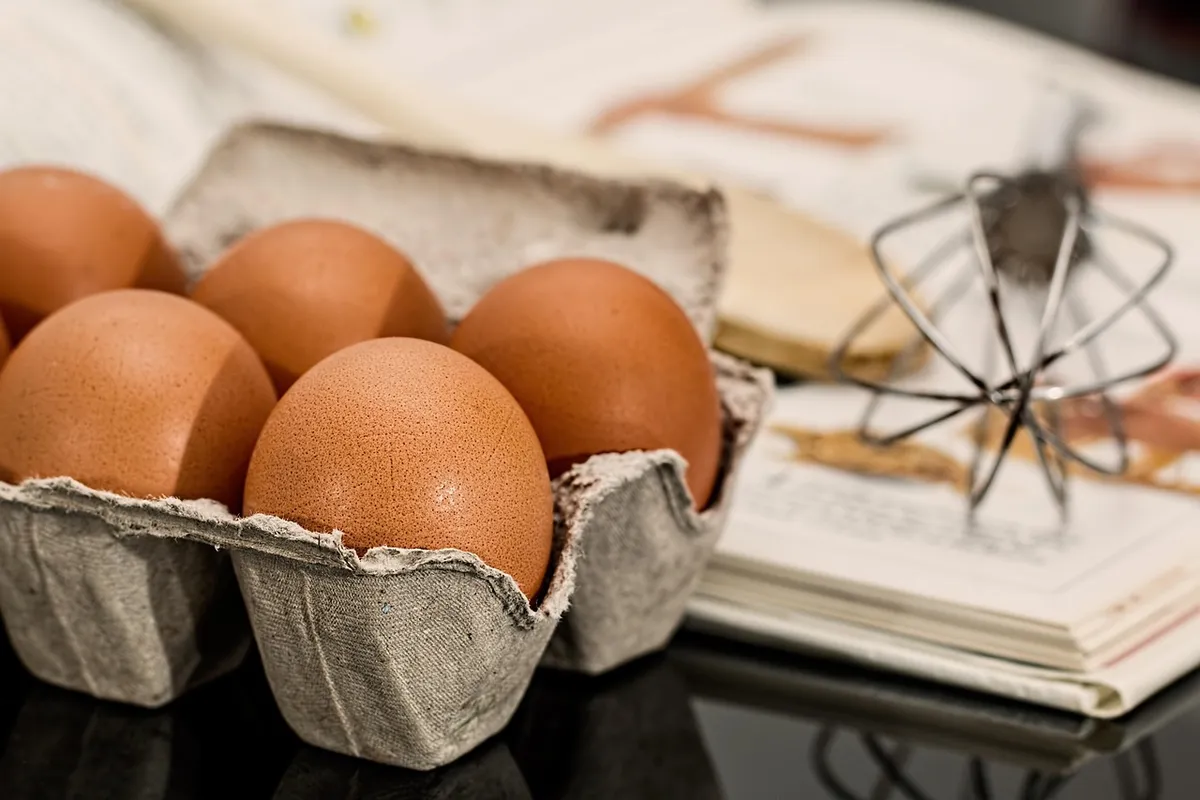
One effective way to teach is through the use of "flavor bombs," such as homemade oils or spice blends, which can make cheap ingredients taste expensive. These affordable recipe tips allow creators to maintain high production value in their food presentation.
Sharing these affordable recipe tips encourages viewers to try the recipes at home. If the ingredients are reachable, the barrier to engagement is significantly lowered. This leads to higher participation in community challenges and recipe trials.
Mastering affordability requires learning how to substitute expensive ingredients with more economical alternatives without sacrificing flavor profiles.
What is the role of local commodities in recipe development?
A farmer delivers a crate of fresh produce to a small kitchen door at dawn. Leveraging local commodities is essential for maintaining a sustainable and cost-effective production cycle.
In many regions, certain crops are so abundant that they serve as the backbone of the local diet. Using these commodities ensures that the recipes are culturally relevant and economically viable.
| Commodity Type | Production Scale Example |
|---|---|
| Coconut | 19,500,000 tonnes (2009) |
| Coastal Access | 36,289 kilometers |
I found that focusing on these high-yield items makes the transition from testing a recipe to filming it much smoother.
Using local commodities reduces transportation costs and ensures that the ingredients used are often at their peak freshness and lowest price point.
How do seasonal changes impact recipe costs?
A sudden rain shower hits the window, casting a soft light over the kitchen prep area. Seasonal shifts dictate the availability and price of ingredients, requiring creators to be flexible.
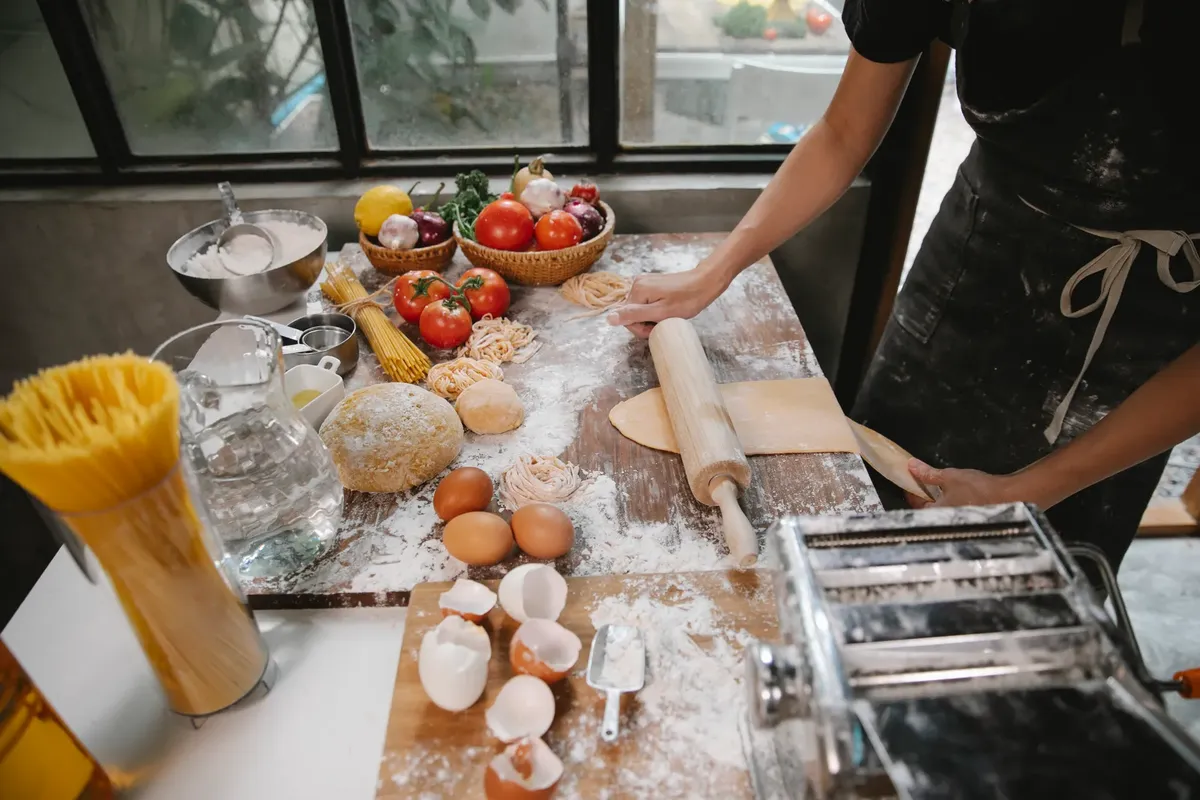
A successful channel adapts its content to the harvest cycles of the region. This ensures that the recipes remain truly low-cost by following the natural economy of food.
The limitation of this strategy is that extreme seasonal scarcity can make certain staple ingredients temporarily unavailable, requiring sudden recipe pivots.
Seasonal shifts cause fluctuations in ingredient availability and pricing, making it necessary to adjust recipes to utilize whatever is most abundant and inexpensive at the time.
Wikipedia: Philippines Based on the retained excerpt mentioning IMF: According to the International Monetary Fund (IMF) in its 2026 report, the Philippines is the world's 35th largest economy with a nominal gross domestic product (GDP) of $501.692 billion.
Related
- Why solo cooking vlog appeal offers a meditative escape
- Filipino cooking scene: 4.9 percent How to capture heritage
How does the kitchen relate to the digital business?
The kitchen, traditionally the heart of the home, transforms into the operational center for a growing digital creator. This space becomes the physical manifestation of the business model being presented online.
The pantry, which serves as the foundation of the business, houses the raw materials necessary for content creation. These ingredients, when chosen wisely, dictate the success of the low-cost recipe strategy.
The successful integration of these two areas allows the creator to bridge the gap between domestic activity and professional content production.





Comments 0