Filipino cooking scene: 4.9 percent How to capture heritage
"The transition from mere restaurant reviews to immersive culinary storytelling marks a shift in how we experience culture through a screen."
The Filipino cooking scene is evolving from simple restaurant curation into a deep, visual narrative of heritage. This shift focuses on the preparation process rather than just the final plate to capture the soul of the kitchen.
Key takeaways include the move toward visual storytelling, the importance of cultural authenticity, and the growing global interest in ethnic flavors.
How does the Filipino cooking scene transform?
A chef meticulously chops garlic in a sunlit kitchen, the rhythmic sound of the knife hitting the wood creating a steady beat. This transition involves moving beyond static food photography to capture the actual movement of cooking.
By focusing on the preparation, creators provide a more intimate look at traditional methods.
A Pinoy food video often focuses on the end result, but a visual cooking story captures the steam and the sizzle. This shift allows viewers to understand the labor and the history behind every ingredient. Moving toward a more immersive style helps viewers feel connected to the kitchen environment.
A Pinoy cooking show can serve as a living archive of tradition. Instead of just showing a finished meal, creators are documenting the techniques that define a culture. This approach turns a simple recipe into a meaningful journey through heritage.
- Traditional recipes are adapted for modern kitchens.
- Digital platforms provide a global stage for local ingredients.
- Visual storytelling bridges the gap between generations.
Why is a visual cooking story becoming popular?
The steam rises from a pan in the warm kitchen as viewers watch the soulful Filipino preparation unfolding on screen.
An empty plate sits on a wooden table, waiting for the vibrant colors of a fresh meal to be placed upon it. Audiences are increasingly seeking out authentic food portrayal that feels real and unscripted.
The raw beauty of ingredients being prepared offers a sense of honesty that polished reviews lack.
A Pinoy kitchen journey seeks to bridge the gap between the diner and the cook. By showing the struggle and the joy of cooking, creators build a stronger bond with their audience. This engagement turns passive viewers into active participants in the culinary tradition.
The desire for connection drives this change in content creation. People want to see the hands that feed them and the environments where meals are born. This authenticity makes the digital experience feel much more personal and grounded.
In this sequence, the second step is the most extensive.
What makes a food portrayal truly authentic?
A hand reaches for a heavy iron pot in the dim kitchen, feeling the cool metal to ensure the Filipino food portrayal remains truly authentic. A hand reaches for a heavy iron pot, the metal cool against the skin before the heat begins to rise. Authenticity in digital media is found in the imperfections and the genuine techniques used in home kitchens.
According to the National Restaurant Association, restaurant industry sales are expected to reach a record high of $476 billion in 2005, an increase of 4.9 percent over 2004...
It is not about perfect lighting, but about the truthful representation of flavor and method.
The taste of the islands is often defined by specific, time-honious techniques that cannot be rushed. Capturing these moments requires a focus on the sensory details of the cooking process. This level of detail ensures that the cultural essence remains intact.
| Feature | Restaurant Review | Visual Cooking Story |
|---|---|---|
| Primary Focus | Final Product | Preparation Process |
| Audience Goal | Finding a Place to Eat | Learning and Experience |
I watched a creator prepare a traditional stew, noting how the slow simmer changed the texture of the meat. This comparison shows how much more information a process-driven video provides compared to a simple review.
Can these videos save my cultural identity? A grandmother passes a worn wooden spoon to a young adult, the lineage of flavors continuing through the generations. Digital storytelling serves as a way to archive traditions that might otherwise be lost in a fast-paced world. It turns a single recipe into a shared piece of history.
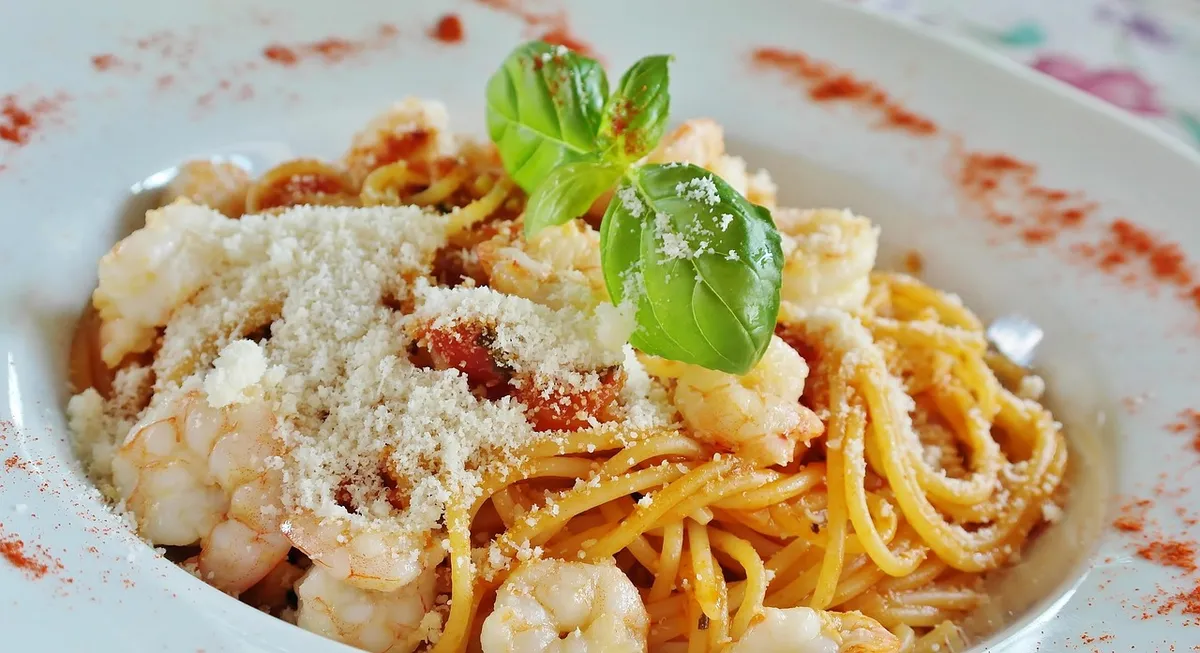
A limitation of this medium is that it cannot fully replicate the physical aroma and taste of the food in a real kitchen. While the visual journey is strong, the sensory experience remains incomplete without the actual meal.
The same subject is also called Filipino cooking show.
This part also covers Beyond restaurant reviews.
Related
- Filipino youtuber power: Why digital voice matters now
- Philippines YouTuber branding: How to build a business
What are the limitations of this digital medium?
- The visual medium cannot convey the full spectrum of sensory input available in a physical kitchen. 2. Specifically, the aromas and the actual taste of the food cannot be transmitted through a screen alone. 3. Therefore, while the visual narrative is powerful, the complete sensory experience of the meal is absent.
The initial transition from mere restaurant reviews to immersive culinary storytelling, while powerful, still faces these inherent constraints of digital presentation.
The initial focus on the visual journey contrasts with the reality that the tactile and olfactory experiences remain outside the frame. This contrast highlights the difference between documentation and lived experience.
How does the transition compare to older forms of documentation?
The initial transition from mere restaurant reviews to immersive culinary storytelling differs significantly from previous forms of documentation. While older accounts focused on the final product, the modern visual narrative prioritizes the genesis of the dish. This difference emphasizes the journey of creation over the destination of consumption.
The comparison highlights that the visual cooking story provides a richer context than a simple critical assessment. The preparation phase offers context that a quick review cannot convey.
What cautions accompany this digital portrayal?
One caution accompanying this digital portrayal is the inability of the screen to transmit all sensory data. The visual medium, despite its richness, cannot fully replicate the physical sensations of a meal. This constraint means the tactile and olfactory dimensions of the cuisine are necessarily outside the frame.
The initial transition, while powerful, must acknowledge these inherent limitations of digital presentation. The visual journey, therefore, represents a documentation, not a complete lived experience.


Comments 0