From Lab to Living Room: Adapting Health Models for Success
"The most effective way to deliver life-saving advice is not through a textbook, but through the voice of someone who speaks your language and knows your kitchen."
Digital creators are no longer just entertainers; they are becoming the primary translators of complex global knowledge into actionable local habits.
For the Philippines, a nation with a massive digital footprint and a unique cultural landscape, this transition is reshaping how health information is consumed.
* Deep cultural resonance is required for health advice to be adopted in local and diaspora communities. * Creators serve as trusted intermediaries between global scientific standards and local daily practices. * Adapting global health models to fit specific local realities is essential for measurable success. * Visual platforms like YouTube allow niche, localized health awareness to scale globally.
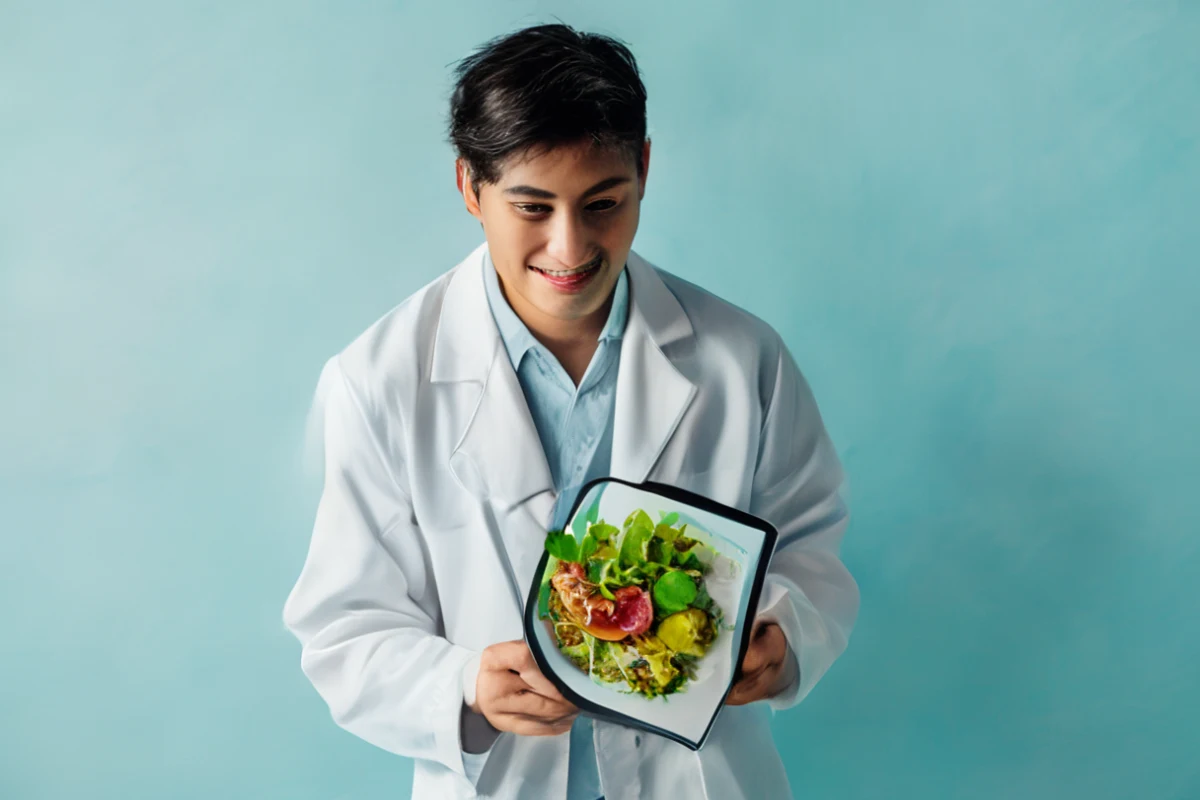
Why localization matters: Bridging global health gaps with local voices
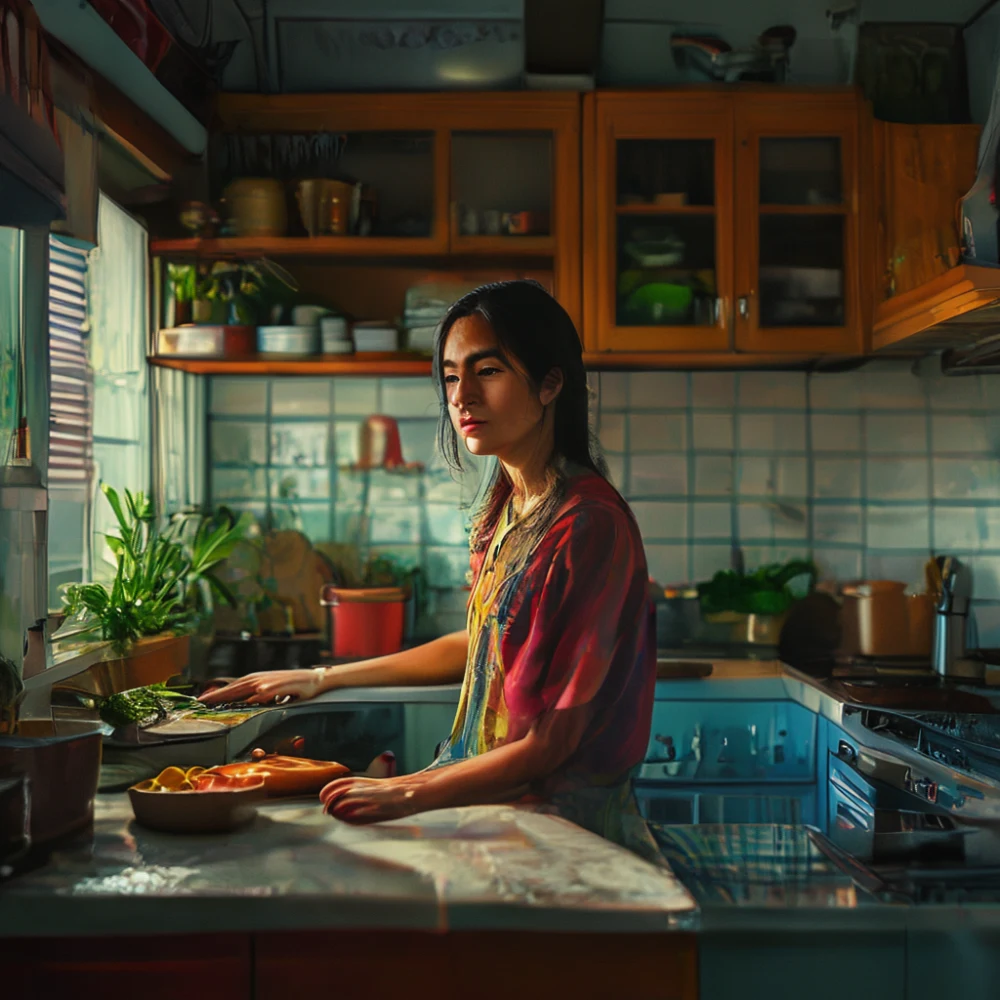
A woman sits in a brightly lit kitchen in Manila, holding a bowl of traditional rice while explaining how to manage blood sugar levels. She doesn't use heavy medical jargon; instead, she talks about the specific ingredients found in her local market.
According to the Japan journal of nursing science, attitude toward gender roles was associated with reproductive health knowledge, with a beta value of .20.
The shift from generalized, Western-centric advice to context-specific application is the difference between a viewer clicking "like" and actually changing their lifestyle.
When a creator uses the vernacular—whether it is Tagalog, Bisaya, or a mix of English—they break down the psychological barriers to learning.
In many communities, health advice can feel clinical and detached. Local creators act as cultural gatekeepers, translating complex concepts into relatable formats. They take a concept like "caloric deficit" and explain it through the lens of a typical Filipino family meal.
This builds a level of trust that a generic health website simply cannot replicate. By using shared cultural nuances, creators ensure that the advice doesn't just sound good but actually works within the constraints of the viewer's reality.
This transition from "what you should do" to "how we can do this together" is the core of effective localization. But moving from theory to practice requires a deeper level of structural adaptation.
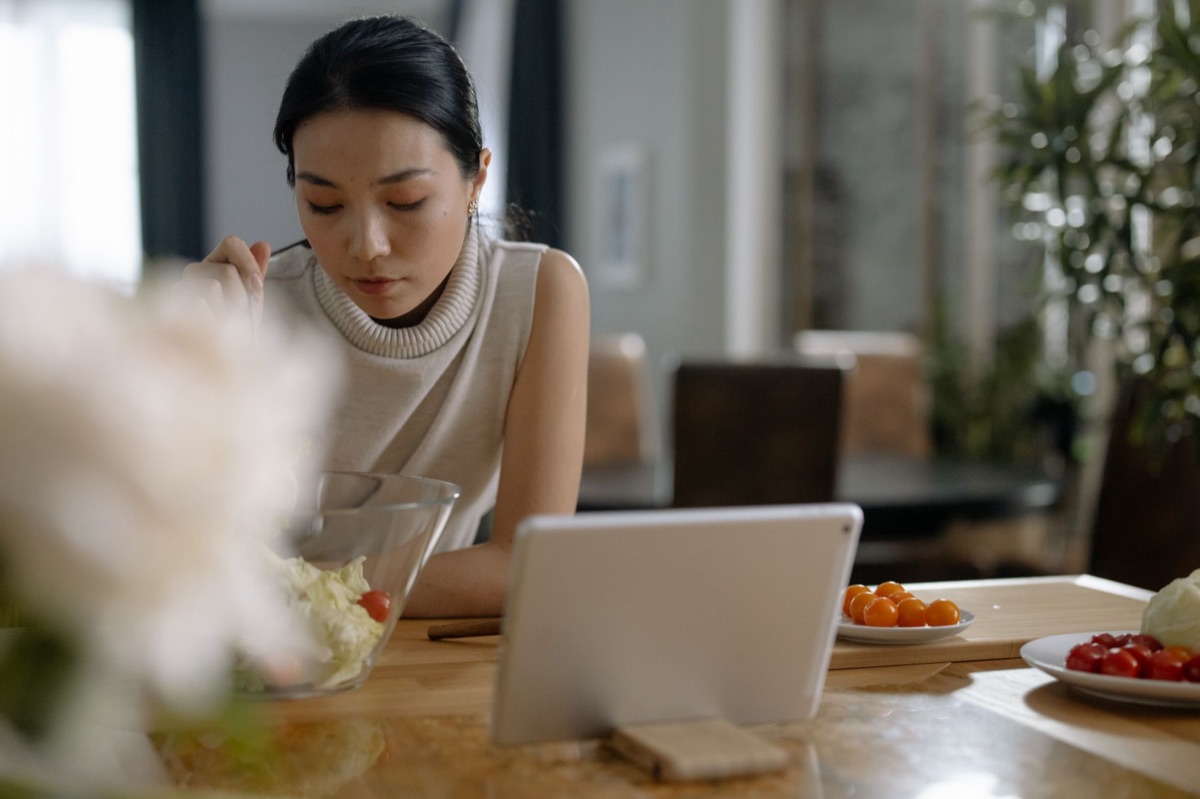
How can global health frameworks work in the Philippines? A researcher sits in a quiet office, reviewing data on how community-based programs affect long-term health outcomes in Southeast Asia. The numbers on the screen represent real lives changed by moving science from the lab to the living room.
As noted in BMC public health, researchers aimed to adapt the CHAP model into the Community Health Assessment Program in the Philippines (CHAP-P) in 2019.
To be effective, global health frameworks must be customized for local implementation. For instance, the Community Health Assessment Program (CHAP) has been studied for its potential to be adapted into a Philippine context, known as CHAP-P.
This adaptation aims to evaluate how such localized programs affect critical health markers like glycated hemoglobin (HbA1c) levels compared to standard community samples.
The measurable outcomes of these localized interventions are vital. It is not enough to just spread awareness; the goal is to see improvements in physiological metrics.
Integrating local lifestyle factors—such as specific dietary habits or regional activity levels—into these health metrics ensures the models remain relevant.
| Framework Element | Global Standard Approach | Localized (CHAP-P Style) Approach |
|---|---|---|
| Language | Academic/Technical English | Vernacular/Code-switching (Taglish) |
| Dietary Advice | Generic "Healthy Foods" | Local Market-based Ingredients |
| Measurement | Clinical setting focus | Community-integrated assessment |
| Delivery | Formal Lectures | Relatable Vlogging/Storytelling |
Such adaptations ensure that the science remains rigorous while the delivery remains accessible. However, having the right framework is only half the battle; the content itself must be crafted with care.
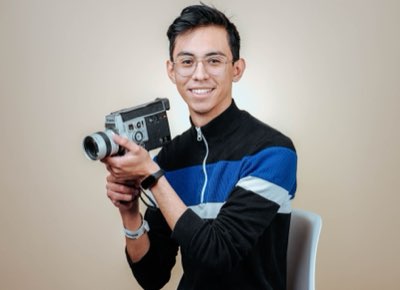
What makes Filipino health content successful? A young man walks through a bustling street market, filming himself while picking out fresh produce for a healthy recipe. He isn't in a studio; he is moving through the world his viewers recognize.
Successful health content in this niche often follows a specific anatomy. It frequently blends the "vlog" style with dedicated educational tutorials. Instead of a static lecture, the creator uses their daily life as a teaching tool.
A video about hydration isn't just a list of tips; it is a video of the creator managing their hydration during a hot day in the city.
Authenticity often outweighs high production value in this space. Viewers are looking for someone who lives the life they lead. If a creator suggests a lifestyle change but their own environment looks entirely different from their audience's, the message loses its power.
I remember watching a local wellness vlogger try to explain meal prepping. She didn't use expensive glass containers; she used local reusable bags and plastic containers common in local markets. That small detail made her advice feel possible for her viewers.
The most effective creators maintain a delicate balance between entertainment and educational rigor. They keep the viewer engaged with personality and visual storytelling while ensuring the underlying health advice remains accurate.
This "edutainment" model turns a chore—learning about health—into an engaging digital experience. But how does this content reach so many people so quickly?
Scaling reach: The digital ecosystem of Filipino creators
A person sits on a couch, scrolling through a phone as thousands of new videos are uploaded to the platform every single second. The sheer volume of content makes the digital landscape feel both infinite and overwhelming.
The scale of digital platforms is vast, as the International Monetary Fund (IMF) reported in its 2025 update that the Philippines has a nominal GDP of $494.16 billion. The scale of the platform provides an unprecedented opportunity for health communication.
As of mid-2024, there were approximately 14.8 billion videos in total on YouTube, with massive amounts of content being uploaded every minute.
This massive ecosystem allows niche health topics to find a global audience. For Filipino creators, English serves as a vital bridge. It allows them to reach the global diaspora and international viewers while maintaining their local roots through cultural nuances.
This dual-language capability enables a creator to be both a local authority and a global influencer. While general lifestyle content captures broad attention, health-focused niche content builds deeper, more loyal communities.
These viewers aren't just looking for distraction; they are looking for value.
This engagement creates a feedback loop where the community helps shape the future direction of the health dialogue. But as influence grows, so do the pressures of staying afloat.
Monetization and sustainability: Beyond views
A creator sits at a desk, looking at a spreadsheet of sponsorship deals and digital product sales. They are calculating how to turn their passion for wellness into a sustainable career without losing their integrity.
To remain sustainable, creators must diversify their revenue. Relying solely on platform ad revenue can be risky. Successful creators often expand into sponsorships, digital wellness products, or even physical goods.
However, this brings a significant ethical challenge: integrating sponsorships into health advice.
The integrity of the advice must remain the priority. If a creator promotes a supplement or a product that contradicts their previous health advice, they lose the most valuable asset they own: trust. The transition from "content creator" to "health authority" requires a strict ethical code.
To maintain this balance, creators often follow a specific checklist for new partnerships:
- Check ingredient transparency: Does the product disclose all components clearly?
- Align with core values: Does this product fit the lifestyle previously taught to the audience?
- Evaluate scientific backing: Is there any peer-reviewed evidence for the product's claims?
- Disclose clearly: Is the sponsorship announcement prominent and honest?
- Test personally: Has the creator used the product in their own daily routine?
The value of a creator's influence is measured not just in views, but in the longevity of their community. By building a sustainable business model that doesn't compromise on truth, they can continue to provide much-needed health information for years to come.


Comments 0