Mobile charger buying guide: How to select for modern phones
"A reliable power source is the lifeline of modern connectivity."
This mobile charger buying guide requires understanding current hardware needs and battery longevity to ensure your devices remain functional. This guide covers essential technical standards, battery health management, and how to select compatible power adapters for various device types.
Key takeaways include managing battery degradation, understanding wireless standards, and matching charger output to specific smartphone requirements.
Why does choosing a charger matter for smartphone longevity?
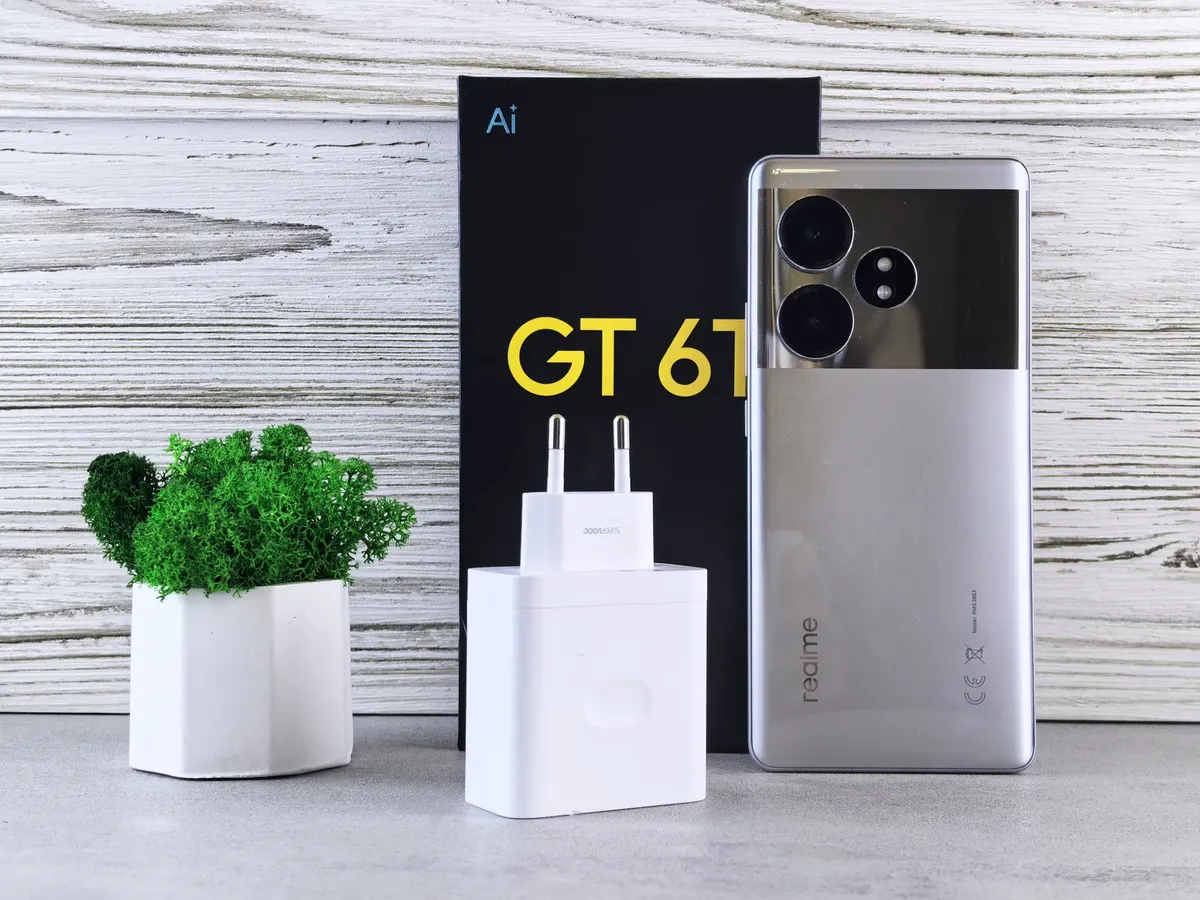
At dusk, a hand trembles slightly while plugging in a mobile charger to avoid the stinging heat of a dying battery.
A user plugs a white charging cable into a sleek smartphone, watching the battery icon flicker to life. Because battery capacity may be reduced to 80% after few hundred recharges, choosing the right power adapter is vital to prevent premature aging.
The drop in performance accelerates with time, making consistent voltage stability a priority.
A mobile charger buying guide should focus on how power delivery affects these internal components. If you use a charger that does not match the device's specific requirements, you risk heat buildup. This heat can further accelerate the natural degradation process of the lithium-ion cells.
How do wireless standards affect charger selection? Mobile charger buying guide
An individual sits at a cafe, tapping a phone that supports multiple connection types. Wireless communication standards supported by smartphones include LTE, 5G NR, Wi-Fi, Bluetooth, and satellite navigation.
These technologies often require specific power profiles to maintain stable connectivity during high-speed data transfers.
When evaluating a mobile power adapter guide, consider that high-performance connectivity can drain power quickly. For example, using 5G NR or satellite navigation features typically consumes more energy than standard Wi-Fi.
Therefore, a charger must provide enough wattage to replenish the battery while the device is actively using these high-drain features.
What should you consider regarding phablet screen sizes?
A person holds a large-screen device, scrolling through a vibrant display that fills their palm. Phones with screens larger than 5.2 inches are often called "phablets." These larger devices frequently house much larger batteries to compensate for the power required to light up expansive displays.
A charger selection tips approach for these devices requires checking the milliampere-hour (mAh) capacity. Since phablets require more juice, a standard low-wattage charger might take an excessively long time to reach a full charge.
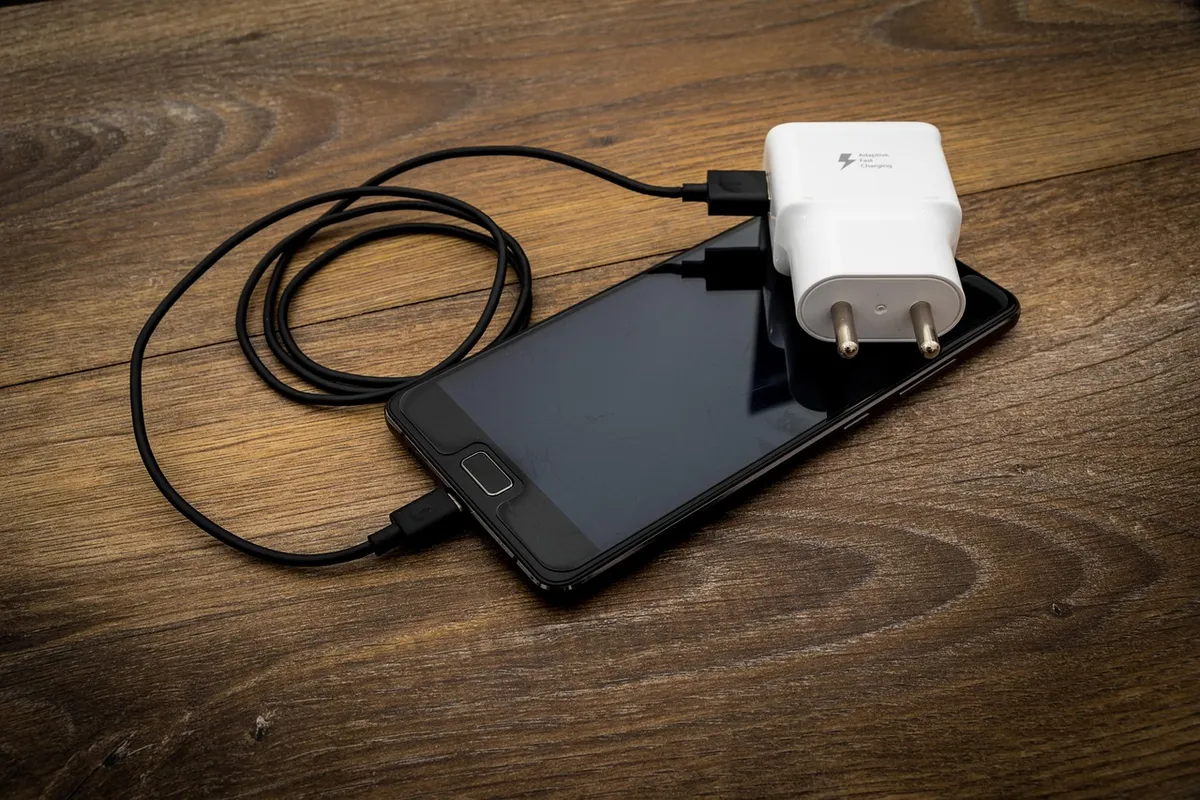
Selecting a charger with higher output can mitigate the slow charging speeds often seen with larger-format devices.
How do you manage battery health during daily use?
A technician inspects a worn battery, noting the slight swelling of the casing. As users move through their daily routines, they must balance fast charging convenience with long-term health. Managing the charging cycle is a primary concern for anyone owning a high-end mobile device.
Battery capacity may be reduced to 80% after few hundred recharges, making the choice of the right power adapter vital.
To maintain longevity, follow these steps: 1. Avoid letting the battery level drop to zero frequently to prevent deep discharge stress. 2. Utilize chargers that support intelligent power management to prevent overcharging. 3.
Monitor the health of the battery, as capacity drops can become more noticeable over time.
Always perform a final check to ensure the cable and adapter are properly seated and do not generate excessive heat during the session.
How do different operating systems impact charging needs?
A developer looks at a screen filled with code, testing an app on various mobile platforms. By Q1 2018, over 383 million smartphones were sold with 85.9 percent running Android, 14.1 percent running iOS and a negligible number of smartphones running other OSes.
This massive variety means charging standards like USB-C and Lightning are both prevalent in the market.
A mobile power adapter guide must account for this diversity in hardware. While many modern devices have moved toward a unified USB-C standard, older iOS devices or specific Android models might still require specialized cables.
Ensuring your charger kit includes the correct connectors is essential for cross-platform compatibility.
| Feature | Phablet Characteristics | Standard Smartphone |
|---|---|---|
| Screen Size | Larger than 5.2 inches | Typically 5.2 inches or smaller |
| Power Demand | Higher due to larger battery | Moderate |
I compared my current charger's output to these different device categories to ensure I had enough headroom for my larger phablet.
Wikipedia: Philippines Based on the retained excerpt mentioning IMF: According to the International Monetary Fund (IMF) in its 2026 report, the Philippines is the world's 35th largest economy with a nominal gross domestic product (GDP) of $501.692 billion.
- Why does choosing a charger matter for smartphone longevity?
- How do wireless standards affect charger selection?
- What should you consider regarding phablet screen sizes?
The same subject is also called Best charger to buy.
The same subject is also called Choosing a phone charger.
This part also covers Compare fast chargers.
This part also covers Check safety standards.
This part also covers Travel charging hacks.
Compare fast chargers
Related
- Mobile charger comparison guide: How to pick a charger
- Video editor guide: Match software to your hardware needs
How does the reliable power source maintain device integrity?
The reliable power source ensures that the energy supplied matches the device's intake capacity, which is crucial for preventing thermal stress. If the power delivery is mismatched, the internal components of the smartphone can experience undue strain.
This strain contributes to the overall degradation rate of the internal cells.
Maintaining this balance is key to maximizing the lifespan of the mobile device. A stable influx of power helps mitigate the stresses associated with fluctuating voltage levels during operation. This stability is particularly important when the device is performing high-drain tasks.
When is a reliable power source most critical?
The reliable power source proves most critical during high-speed data transfers or when the device is powering demanding applications. For instance, sustained use of 5G NR or satellite navigation demands a constant, high-quality energy supply.
Insufficient or unstable power during these activities forces the system to draw heavily from the battery, accelerating its decline.
Therefore, selecting a charger capable of meeting the instantaneous power draw of the device is a preventative measure against premature aging. This consideration moves beyond simple trickle charging into active power management.
This careful matching ensures the device experiences less internal resistance during operation.







Comments 0