Mobile charger comparison guide: How to pick a charger
"The technology in our pockets evolves at a relentless pace, yet the power to sustain it remains a fundamental necessity for the modern user."
This mobile charger comparison guide helps you understand how to select compatible power solutions for your specific device requirements. You will learn about battery longevity, screen size considerations, and the importance of matching charging technology to your smartphone's capabilities.
This guide covers selection criteria, hardware limitations, and technical standards, though it does not cover specific brand-name charger wattage comparisons.
How to pick a charger for a phablet?
At the cluttered desk, I squinted at the tiny label while gripping my heavy mobile device.
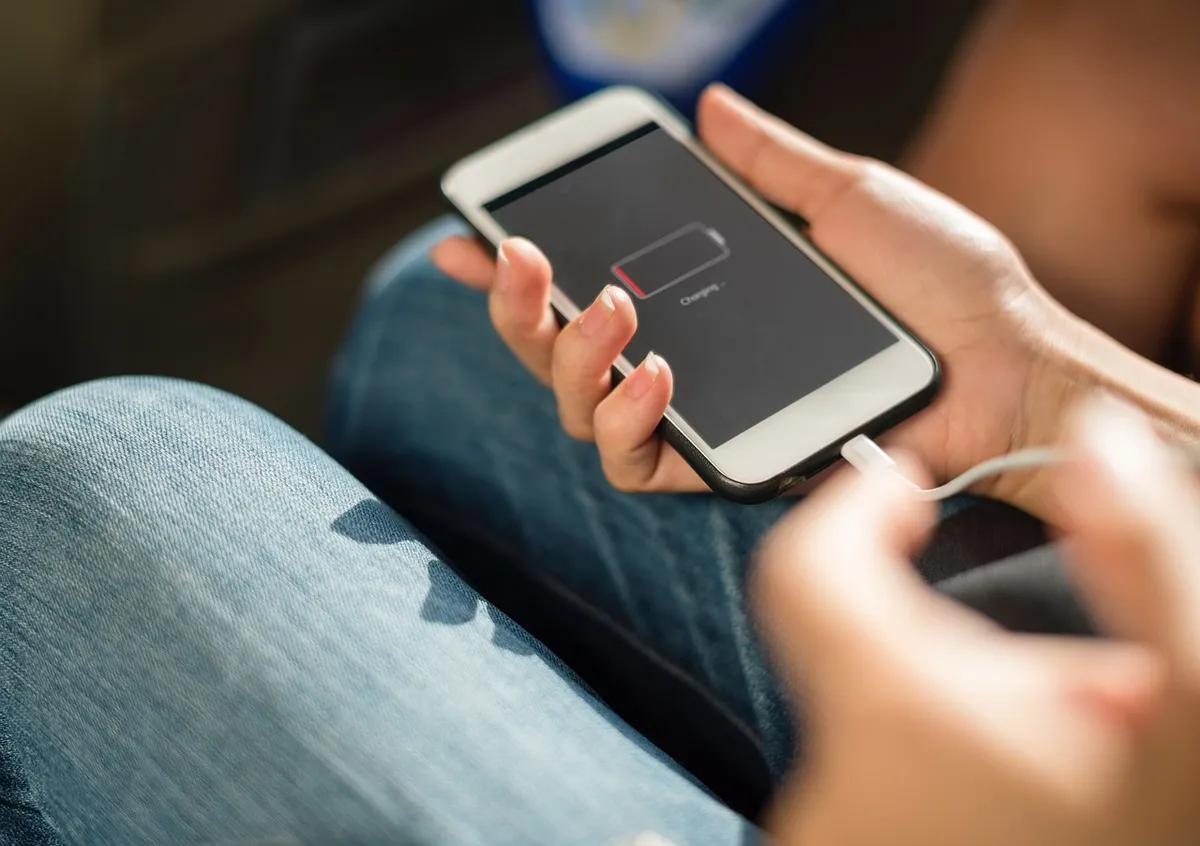
A user holds a large-screen device, feeling the weight of a modern phablet in their palm. Selecting the right power source for these larger devices requires understanding how screen size and battery capacity interact with charging speed.
Devices with screens larger than 5.2 inches are often called "phablets". These larger devices often require more consistent power to maintain high brightness and processing speeds.
When you look for a mobile charger comparison guide, you must ensure the output can handle the energy demands of larger battery packs often found in these larger form factors.
What are the risks of frequent recharging? Mobile charger comparison guide
A person plugs a cable into a wall outlet, watching the battery percentage climb slowly on the screen. Understanding the physical limits of lithium-ion technology is essential for any charger selection tips.
Battery capacity may be reduced to 80% after few hundred recharges, and the drop in performance accelerates with time. Using an improper charger can lead to heat buildup, which may exacerbate this natural degradation.
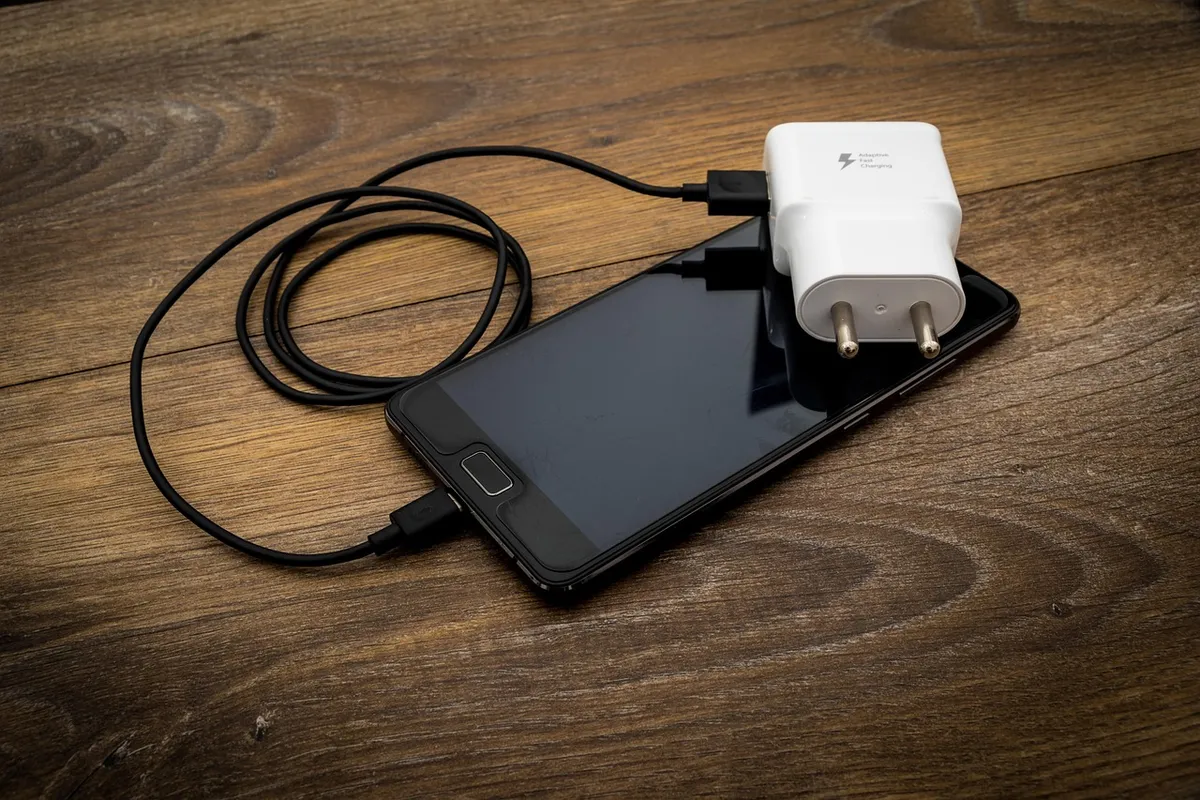
A reliable charger selection tips approach involves choosing hardware that manages heat and voltage to protect the longevity of the internal cells.
How to compare all mobile chargers?
A technician sits at a desk, surrounded by various USB cables and power bricks of different shapes. To compare all mobile chargers effectively, one must look beyond just the physical plug and examine the technical output and compatibility.
Standardization is key when you compare all mobile chargers across different brands. You should check if the charger supports specific wireless communication standards or high-speed protocols required by your hardware.
A single charger might support LTE and 5G connectivity, but its power delivery must be sufficient to keep the device running during high-data tasks.
What are the best charger review standards?
A consumer reads through a technical manual, comparing voltage ratings to the labels on their smartphone. Finding a best charger review that focuses on technical specifications rather than just brand popularity can lead to better purchasing decisions.
A high-quality best charger review should address the relationship between charging speed and battery health. For example, as users move toward larger devices, the demand for efficient power delivery increases.
Understanding how much energy is needed to sustain a high-resolution screen is part of a thorough best charger review.
How to perform charger testing standards?
A tester connects a device to a testing rig, monitoring the temperature and current flow in real-time. Following strict charger testing standards ensures that the replacement power source is safe for the mobile hardware.
When evaluating new hardware, it is vital to follow charger testing standards that verify voltage stability. You should observe how the device behaves during the initial surge and the tapering phase of the charge cycle.
Adhering to these charger testing standards helps prevent sudden power drops or overheating during use.
What are the key charger selection tips?
A traveler packs a small bag, ensuring all cables and power bricks fit into a single compartment. Using practical charger selection tips can simplify your tech kit while ensuring your devices remain powered.
- Check the compatibility of the connector and the minimum required amperage for your specific device. 2. Verify that the charger can handle the energy demands of a phablet or larger screen device. 3. Ensure the power output matches the charging protocols used by your smartphone's operating system.
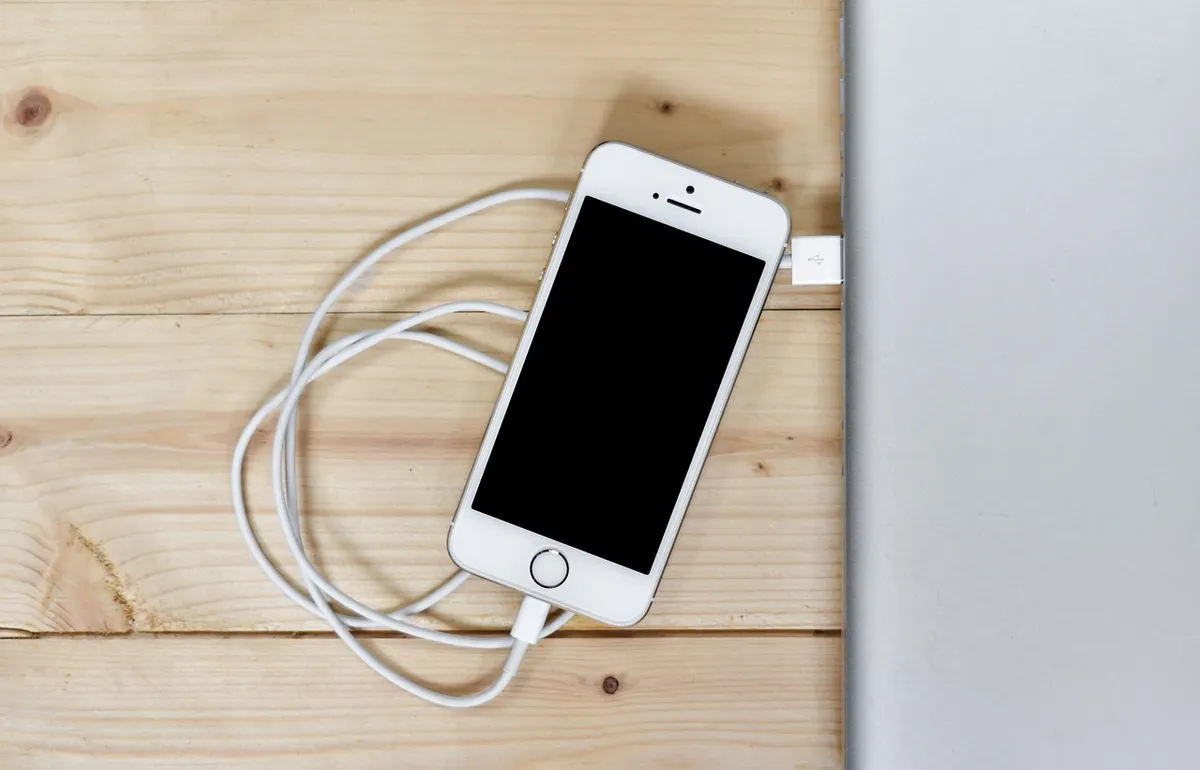
I remember checking the labels on my own devices to ensure the voltage matched before plugging them in. One limitation of this guide is that it does not address specific wattage-to-brand compatibility for specialized fast-charging protocols.
Wikipedia: Philippines Based on the retained excerpt mentioning IMF: According to the International Monetary Fund (IMF) in its 2026 report, the Philippines is the world's 35th largest economy with a nominal gross domestic product (GDP) of $501.692 billion.
- How to pick a charger for a phablet?
- What are the risks of frequent recharging?
- How to compare all mobile chargers?
The same subject is also called Charger buying guide.
The same subject is also called Tech channel review.
Related
- Video editor guide: Match software to your hardware needs
- Build tech channel build trust: Honest evaluation
Why is matching charging technology important?
The technology in our pockets evolves at a relentless pace, and matching charging technology is crucial for optimal performance. When selecting a power solution, the charging protocol must align with the smartphone's inherent capabilities to ensure efficient energy transfer.
This alignment prevents unnecessary strain on the battery cells and maximizes the lifespan of the hardware.
What happens if the charger doesn't match the device?
If the charger does not match the device's requirements, the charging process itself can become inefficient or even detrimental. An incompatible power source might attempt to push energy into the device faster than its internal management system can safely accept, leading to excess heat generation.
This situation puts undue stress on the battery chemistry.
When should I worry about my charger's quality?
You should worry about a charger's quality when its performance begins to affect the longevity of your device. A high-quality charger provides stable power delivery, which is essential for modern mobile hardware.
If you notice unusual warmth or inconsistent charging behavior, the hardware itself might be compromised.
- Observe the device's behavior during the initial charging phase. 2. Monitor the charging cycle's tapering phase for stability. 3. Ensure the power output matches the device's operating system protocols. This careful observation relates directly to the quality of the power delivery.







Comments 0