Philippine kids channel learning: Guide to cognitive shift
"The transition from mere entertainment to structured learning requires a deliberate shift in how digital content engages young minds."
Digital content creators in the Philippines are increasingly looking toward educational value to transform casual viewing into meaningful learning scenes. This shift focuses on turning screen time into productive study sessions for young viewers through purposeful content design.
Key takeaways include the importance of curriculum-based engagement, the role of interactive storytelling, and the necessity of balancing entertainment with academic rigor.
How can a Philippine kids channel learning approach change viewer habits?
A curious toddler leans forward on a plush sofa at noon, eyes widening at a vibrant Philippine kids channel learning approach that turns screen time into an active puzzle.
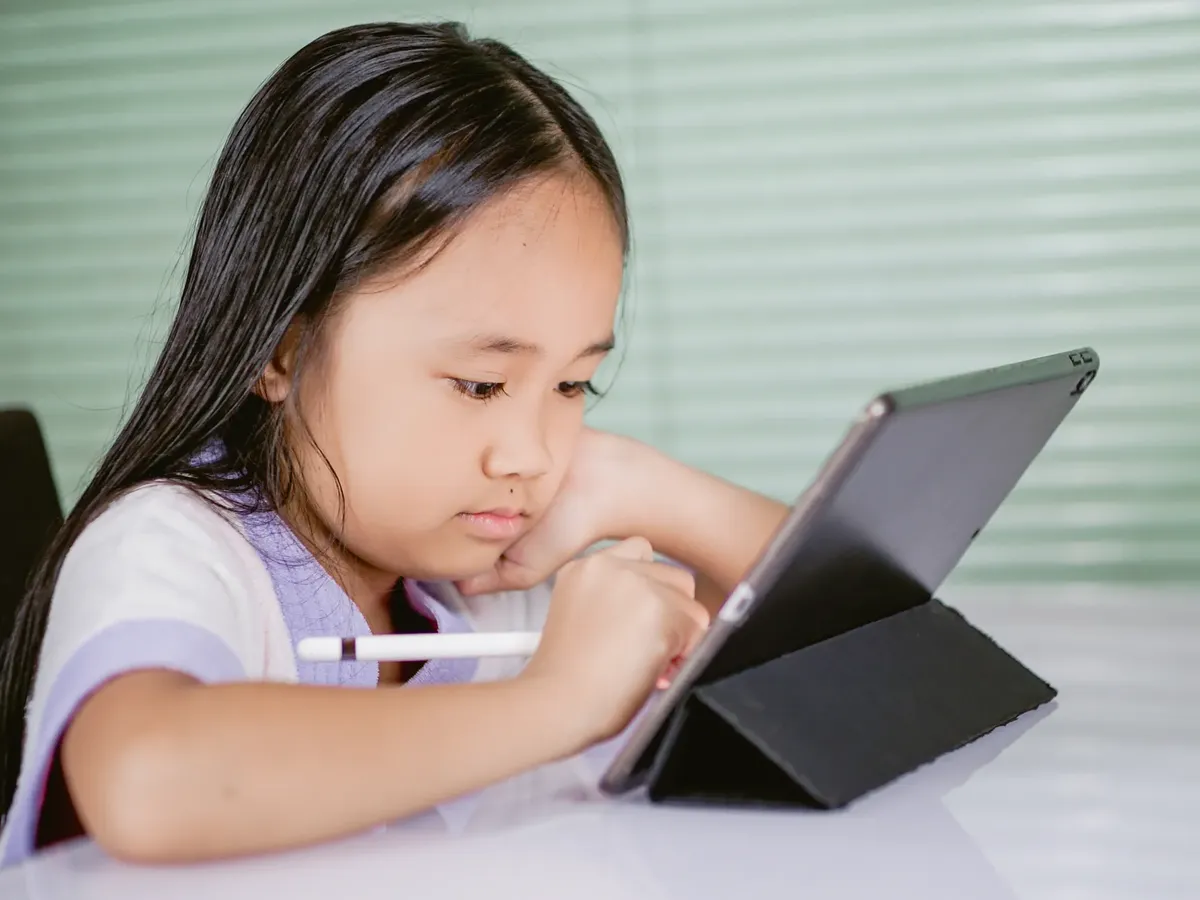
A child sits on a colorful rug, staring intently at a tablet screen where bright animations dance. The goal is to move from passive watching to active engagement, where the Philippine kids channel learning process encourages curiosity rather than just distraction.
By integrating questions and problem-solving tasks, creators can turn a simple video into a pedagogical tool.
The shift involves moving beyond repetitive songs to content that challenges cognitive abilities. This transition ensures that the screen becomes a classroom rather than just a distraction.
A well-designed channel focuses on building foundational skills, making the digital experience feel like a purposeful academic journey.
What defines the best kids content learning shift for young viewers?
A parent watches from the doorway as their toddler pauses a video to point at a shape on the screen. This moment represents the successful kids content learning shift where the viewer interacts with the material. Instead of mindless scrolling, the viewer engages with specific educational objectives.
Effective shifts prioritize clarity, pacing, and age-appropriate difficulty levels. According to the Fordham Institute, identifying the best educational YouTube channels for kids requires looking at how content stimulates mental growth.
This means content must be more than just colorful; it must provide a structure that mimics classroom learning.
Why are Philippine learning scenes becoming a priority for creators?
A designer sketches out a storyboard on a tablet, carefully planning how a character will explain a concept. These Philippine learning scenes aim to ground digital content in relatable, culturally relevant contexts that facilitate better understanding.
By creating these environments, creators provide a bridge between play and study.
The purpose of these scenes is to foster an environment where learning feels natural. When content is structured around specific lessons, it creates a reliable routine for families. This methodical approach turns a digital device into a tool for cognitive development.
How do we evaluate a Pinoy kids educational video for quality?
A teacher reviews a video on a laptop, checking if the lesson aligns with early childhood development standards. Evaluating a Pinoy kids educational video requires looking at the balance between visual stimulation and instructional depth.
The goal is to ensure the entertainment does not overshadow the educational takeaway.
Quality is measured by how well the content reinforces concepts like literacy, numeracy, or social skills. It is not enough to be engaging; the content must be substantive. A successful video leaves the viewer with a clear understanding of the topic presented.
What does a successful kids channel study mode look like in practice?
A student sits at a desk, using a tablet as a supplementary tool for a homework assignment. Implementing a kids channel study mode means the content is structured to support specific learning goals, such as vocabulary building or logic.
This mode transforms the viewing experience into a guided lesson.
To achieve this, creators use specific techniques: 1. Integrated questioning to prompt viewer responses. 2. Slowed pacing to allow time for thought and reflection. 3. Repetition of key concepts to reinforce memory.
A final check involves assessing whether the viewer can explain the lesson back to a caregiver. This ensures the content actually transferred knowledge.
How can we manage the limitations of digital learning?
A parent closes a laptop after a scheduled study session, ensuring the child transitions back to physical play. While digital tools are helpful, they cannot replace hands-on interaction or professional instruction.
A limitation of these digital tools is that they cannot fully replicate the social and physical engagement of a traditional classroom environment.
| Feature | Entertainment Focus | Learning Focus |
|---|---|---|
| Engagement Type | Passive Observation | Active Participation |
| Content Goal | Distraction/Fun | Skill Acquisition |
I observed that a well-structured lesson requires more than just a screen to be effective. A limitation of digital content is that it cannot provide the physical tactile feedback necessary for certain developmental stages.
- How can a Philippine kids channel learning approach change viewer habits?
- What defines the best kids content learning shift for young viewers?
- Why are Philippine learning scenes becoming a priority for creators?
This part also covers Pinoy channel academic journey.
This part also covers Kids content educational value.
Related
- Filipino cooking scene: 4.9 percent How to capture heritage
- Filipino youtuber power: Why digital voice matters now
What is the primary role of the 'transition' in digital learning?
The primary role of the 'transition' is to move the viewing experience from passive entertainment toward active knowledge acquisition. This shift acknowledges that digital content, while engaging, needs deliberate framing to achieve educational outcomes, moving beyond mere distraction.
This deliberate shift acknowledges that the initial appeal of bright visuals and fast pacing must eventually yield to sustained cognitive effort. The 'mere' viewing experience must evolve into a structured learning sequence for the content to hold genuine educational weight.
Creators must manage this 'transition' by embedding checkpoints within the narrative flow. These checkpoints serve as bridges, guiding the viewer from enjoying the animation to processing the underlying academic concept being presented.


Comments 0