Economic data $10.23 billion: Why Vlog to learning content
"The transition from mere lifestyle documentation to meaningful instruction requires a shift in how creators perceive their surroundings."
This guide explores how Filipino creators can transform daily footage into educational assets. By utilizing the unique geography and economic realities of the Philippines, vloggers can move beyond simple entertainment to provide real-world knowledge.
Key takeaways include identifying natural resources for science content, using economic data for context, and leveraging the country's megadiverse environment for discovery-based storytelling.
How can creators leverage natural resources for a Vlog to learning content?
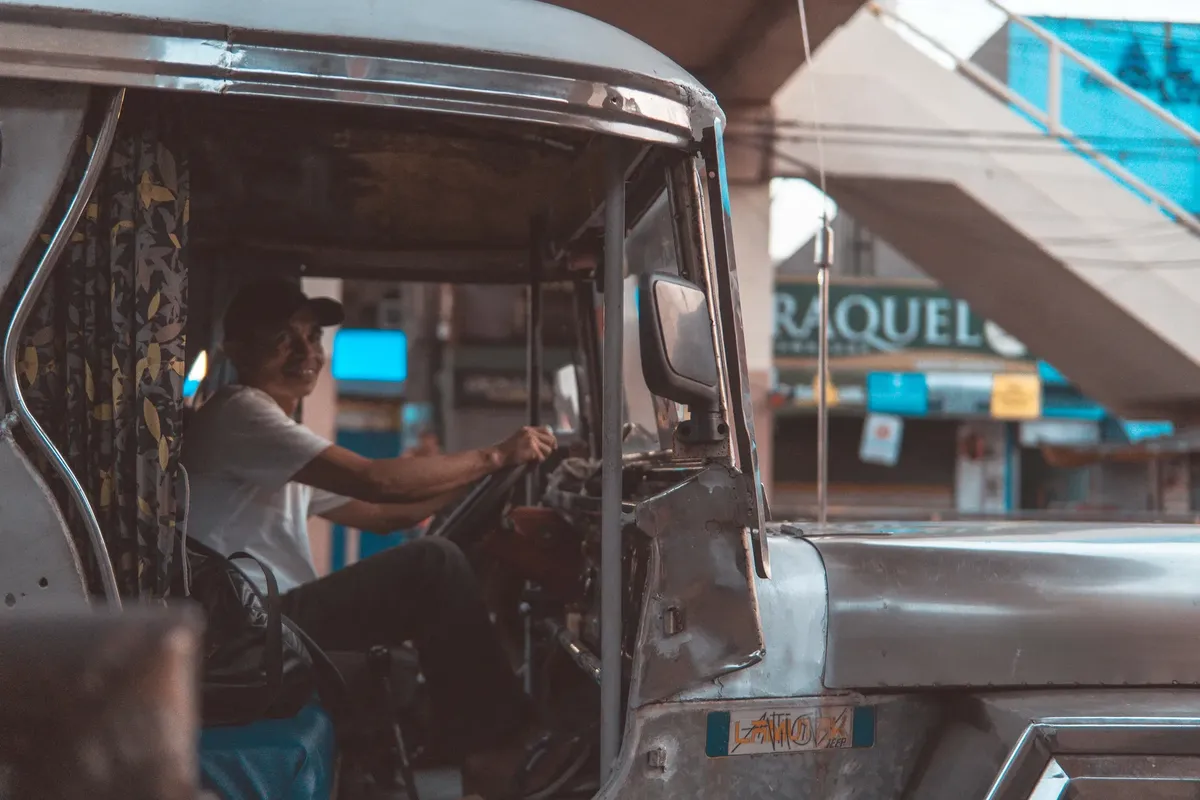
A creator stands on a rugged coastline, filming the crashing waves of the Pacific. They realize that the scenery is not just a backdrop but a classroom for geography and geology.
Moving from simple travel clips to a Vlog to learning content involves identifying the specific scientific or historical value in a scene. Instead of just showing a beautiful view, a creator might explain the geological significance of the terrain or the biological importance of the local ecosystem.
This approach turns a casual stroll into a structured lesson on natural history.
The Philippines' coastline measures 36,289 kilometers, which is the world's fifth-longest. This vast maritime environment provides endless opportunities for marine biology lessons. Using such geographic facts helps viewers understand the scale of the environment being filmed.
A lifestyle learning journey begins when the camera captures more than just a face. It requires looking for the intersection of daily life and academic subjects.
Creators can use diverse landscapes to provide visual context for biological or geological concepts, turning a simple walk into a living classroom.
How does economic data inform a lifestyle learning journey?
A vlogger sits in a bustling marketplace, recording the exchange of goods and the movement of people. They decide to weave economic principles into the footage to explain local commerce.
Integrating economic realities into a lifestyle learning journey provides a grounding for viewers to understand the scale of the country. For example, discussing the value of natural resources can provide context to local industry.
This moves the content from personal anecdotes to broader socio-economic discussions.
According to the Philippine Statistics Authority, the total monetary value of four key metallic minerals which were appraised to Class A namely: copper, chromite, gold and nickel were valued at US$10.23 billion in 2025.
Mentioning these specific figures can help viewers grasp the importance of mining and resource management in the local economy.
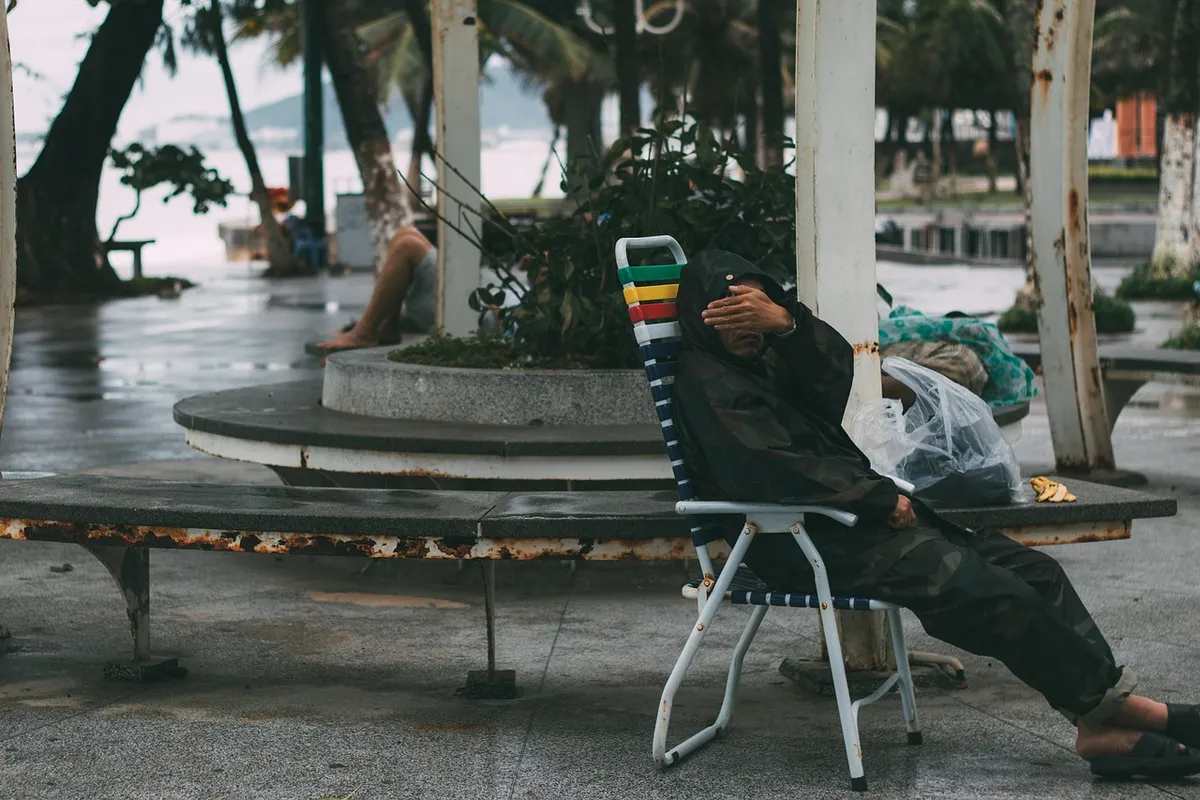
A real life knowledge share happens when a creator connects a small-scale purchase to a large-scale economic trend.
Understanding market trends and cost-of-living metrics helps creators ground their lifestyle content in practical financial literacy.
Can a daily scene lesson plan use environmental facts?
A creator wanders through a dense, green forest, filming the unique plants and insects underfoot. They pause to explain why this specific environment is so critical to global biodiversity.
A daily scene lesson plan can be built by observing the unique biological traits of a location. In a country with high endemism, every walk through a park or forest is an opportunity to teach about species survival and evolution. This turns a routine walk into a lesson on ecology.
The Philippines is a megadiverse country, with some of the world's highest rates of discovery and endemism (67 percent). Using this high rate of endemism as a teaching point allows creators to explain why protecting local habitats is vital.
This level of detail provides depth that standard lifestyle vlogs often lack.
The goal of a daily scene lesson plan is to make the invisible visible through the lens.
Integrating local weather patterns or seasonal changes into a daily routine allows viewers to connect abstract scientific facts to their immediate surroundings.
What is an effective Edu vlog strategy for local history?
A vlogger visits a historic museum or a colonial-era plaza, capturing the architecture and the weight of the past. They use the setting to explain the historical significance of the site to their audience.
An effective Edu vlog strategy involves using physical landmarks to tell a story of national identity. By connecting modern life to historical events, creators can provide a sense of continuity. This method engages viewers by making history feel personal and immediate rather than distant.
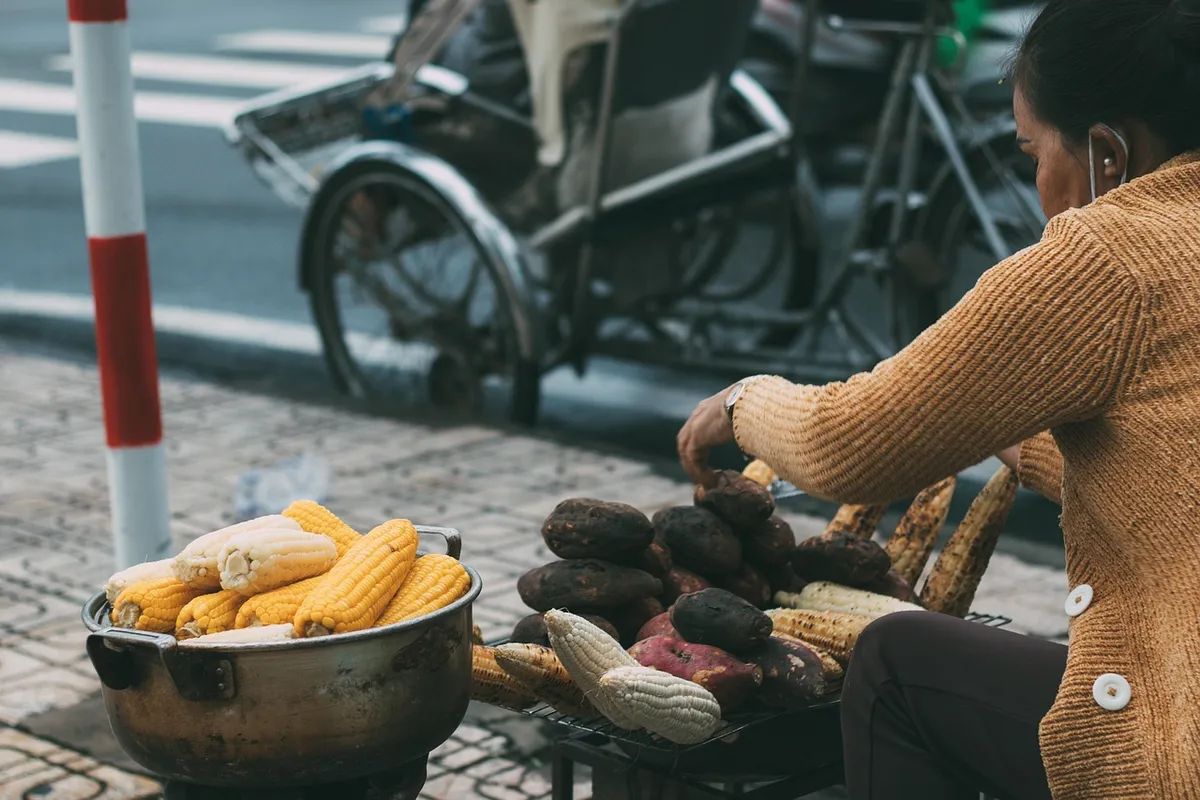
The transition from a simple vlog to an Edu vlog strategy requires careful research to ensure accuracy. Creators can use institutional settings, like museums, to ground their narratives in verified history. This ensures that the educational component is as strong as the visual appeal.
A successful Edu vlog strategy balances visual storytelling with factual accuracy to maintain viewer trust.
Filming at historical landmarks while overlaying contemporary context helps bridge the gap between the past and the present for an engaged audience.
How to implement a real life knowledge share in three steps?
A creator sits at a desk, reviewing footage of a recent trip to a mining site or a coastal village. They begin organizing the clips into a coherent educational narrative.
To turn a standard video into a real life knowledge share, follow these steps:
- Identify a specific subject matter within your footage, such as geology, economics, or biology. 2. Research verified data to provide a factual foundation for the visual elements shown in the video. s3. Structure the narrative to move from a personal observation to a broader scientific or economic fact.
After these steps, perform a final check to ensure the tone remains educational without losing the personal connection that makes vlogging engaging. I found that comparing these steps to my own footage helps clarify which scenes need more factual depth.
A real life knowledge share succeeds when the creator acts as a bridge between the viewer and the subject.
- Identify a practical concept observed in your daily environment.
- Record a demonstration or explanation of that concept in action.
- Relate the observation to a broader educational principle for the viewer.
What are the limitations of using natural scenery for education?
A filmmaker looks at a breathtaking sunset, realizing that not every beautiful scene can be easily turned into a lesson. They acknowledge the limits of their current subject matter.
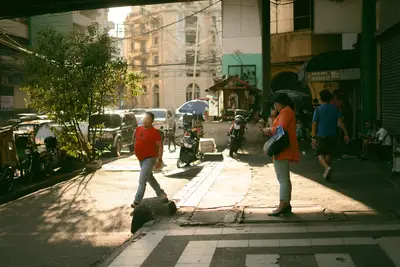
A limitation of this approach is that not all environments offer clear educational takeaways. For instance, a simple urban street might not immediately lend itself to a lesson on megadiversity or mineral value without significant research.
The Philippines' coastline measures 36,289 kilometers, providing a massive scope for content. However, the sheer scale of the country means that localizing these facts for a specific audience requires significant effort.
Unpredictable weather, lighting changes, and audio interference from wind or wildlife can disrupt the clarity of the educational message.
Wikipedia: Philippines Based on the retained excerpt mentioning IMF: According to the International Monetary Fund (IMF) in its 2026 report, the Philippines is the world's 35th largest economy with a nominal gross domestic product (GDP) of $501.692 billion.
Related


Comments 0