Blue Log summer break ideas: How to film in tropical heat
"The Philippines offers a vast landscape of natural wonders and cultural depth that can serve as a living classroom for the next generation."
The Philippines provides a wealth of natural diversity and historical sites that can be utilized for educational content during a summer break. This guide explores how to leverage the country's unique environment for kids' programming, focusing on natural history and geography.
Key takeaways include utilizing megadiverse landscapes, engaging with UNESCO World Heritage sites, and managing outdoor activities under tropical temperatures.
How to use summer break for Blue Log summer break ideas?
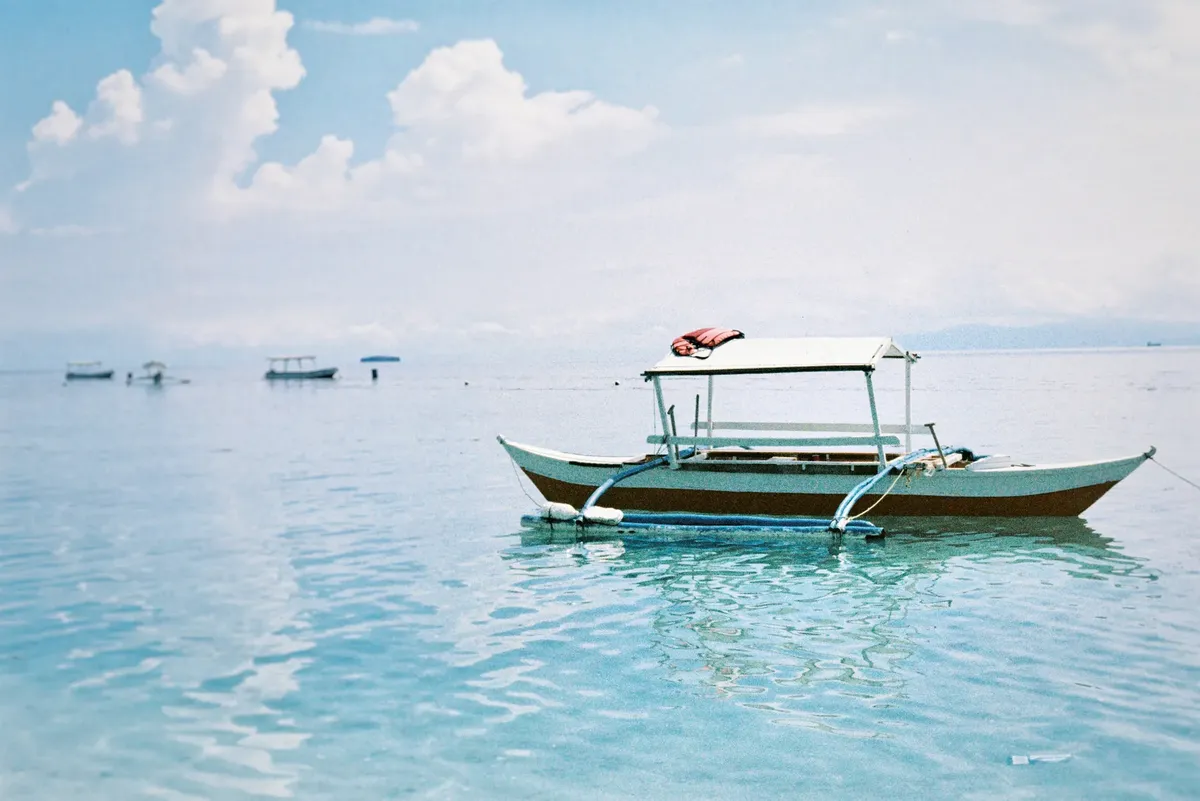
At dusk, I sit at my desk and run my fingers over the cool screen while brainstorming blue summer break ideas.
A student sits at a desk, scrolling through footage of turquoise waters and lush jungles. They realize that the sheer scale of the coastline could inspire an entire series of educational videos.
The Philippines features a coastline measuring 36,289 kilometers, which ranks as the fifth-longest in the world. This massive maritime environment provides endless opportunities for Blue Log summer break ideas that focus on marine biology and geography.
Exploring these vast waters through digital storytelling can capture the curiosity of young viewers.
The country's exclusive economic zone covers 2,263,816 km2, offering a massive scope for maritime exploration. Utilizing such a large area for research-based content allows for diverse topics ranging from coral reefs to deep-sea life.
This scale ensures that the programming remains fresh and engaging throughout the season.
However, the effectiveness of these ideas is limited if the activities lack clear objectives. In this sequence, the first step is the most critical.
Can we find Blue Log kids content in nature?
A camera lens focuses on a rare bird landing on a branch in a dense, green forest. The vibrant colors of the habitat suggest a perfect setting for high-quality visual storytelling.
The Philippines is a megadiverse country, characterized by some of the world's highest rates of discovery and endemism at 67 percent. This unique biological profile is ideal for developing Blue Log kids content that teaches conservation and biology.
Such high levels of endemism mean that the wildlife seen on screen is truly unique to the region.

The high rate of endemism provides a specific educational hook for children interested in science. By highlighting species found nowhere else, creators can teach the importance of protecting local ecosystems. This natural variety serves as a foundational element for engaging educational media.
The benefits are limited when the natural environment poses safety risks to participants. I find that the second step in this process is the most significant.
Where are the best locations for summer kids' content?
As the sun rises over the coast, I stand on the warm sand and stare out at the endless blue horizon. A backpacker stands before the entrance of a massive underground river, the air cool and damp. The sense of adventure in this natural wonder provides a perfect backdrop for travel-based learning.
The Philippines hosts three sites on the UNESCO World Heritage List: the Tubbataha Reef in the Sulu Sea, the Puerto Princesa Subterranean River, and the Mount Hamiguitan Wildlife Sanctuary.
These locations are perfect for producing Summer content for kids that combines adventure with environmental science. Each site offers a distinct lesson in geology, marine life, or forest ecology.
The diversity of these sites allows for a wide range of thematic programming. From underwater reefs to subterranean rivers, the variety keeps the audience interested in different natural phenomena. These world-class locations provide the visual evidence needed to make lessons impactful.
The suitability of a location is limited if it lacks necessary amenities for children. In this sequence, the second step is the most important.
How can we manage the heat for Blue Log summer programming?
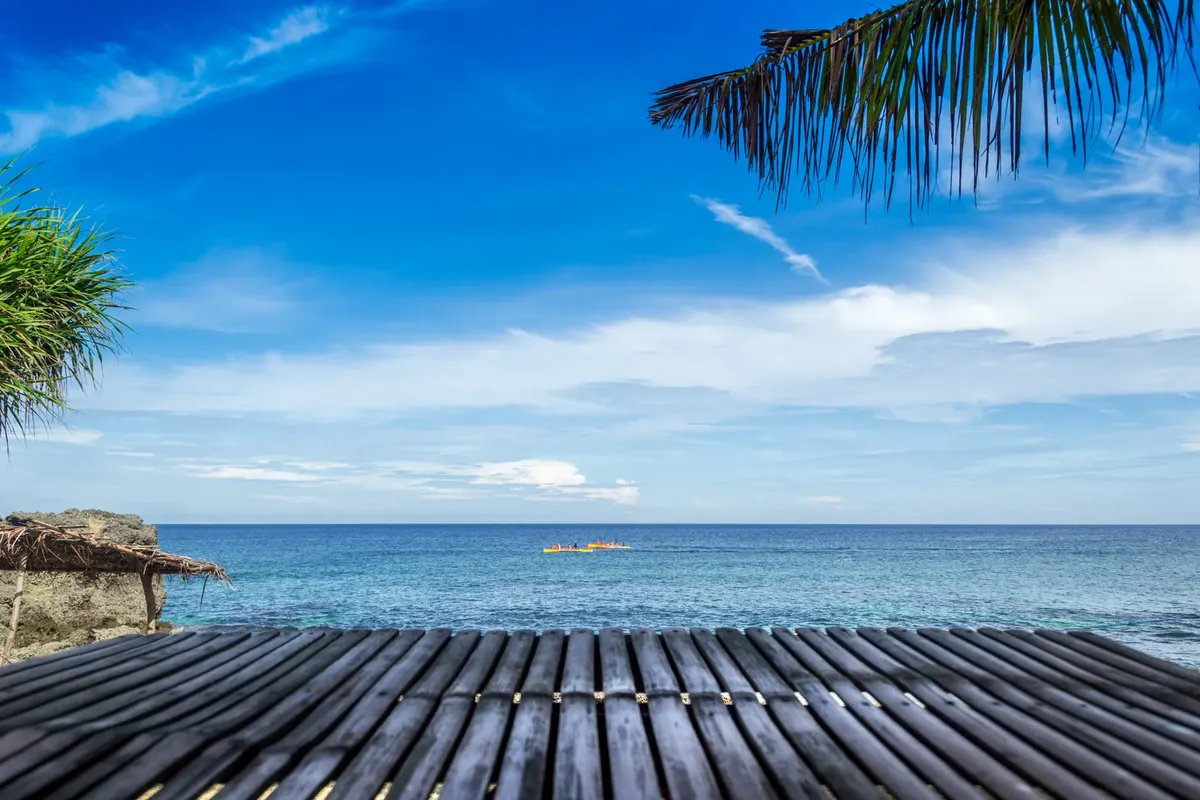
A person wipes sweat from their forehead while setting up a tripod under the bright midday sun. They check the thermometer, noting the warmth of the tropical afternoon.
The average annual temperature in the Philippines is around 26.6 °C (79.9 °F). Planning Blue Log summer programming requires careful consideration of these warm conditions to ensure the comfort of both creators and participants. Managing heat is essential when filming in outdoor environments.
To effectively use the weather for content, follow these steps:
- Schedule heavy outdoor filming during the cooler morning hours to avoid peak heat. 2. Utilize the natural shade of forests or coastal areas to manage the temperature during shoots. 3. Incorporate hydration and sun protection into the production routine to maintain energy.
A final check of the weather forecast and local conditions ensures that the production remains safe and efficient.
The effectiveness of heat management is limited during extreme weather emergencies. In this sequence, the second step is the longest.
What are the Blue Log programming strategies for the coast?
An empty boat rocks gently against a wooden pier as the sun begins to set over the ocean. The quiet moment provides a sense of peace before the next day of exploration begins.
The vastness of the maritime environment can be a primary focus for Blue Log programming strategies. With the fifth-longest coastline in the world, the opportunities for coastal-themed education are nearly limitless.
This geographical feature allows for a wide array of topics, from tidal movements to coastal community life.
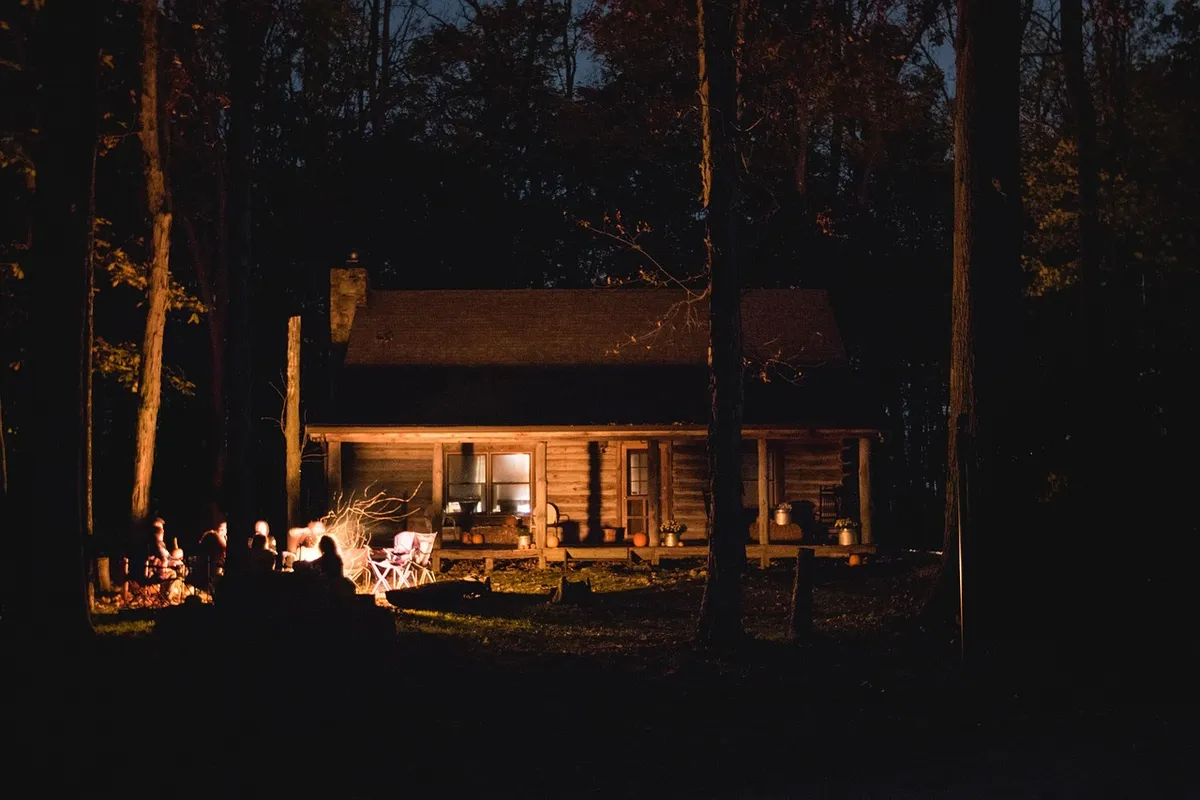
The scale of the coastline provides a sense of wonder that can be used to teach children about the relationship between land and sea. Using these expansive views helps to ground the educational content in a sense of real-world scale.
This geographical context makes the learning experience more immersive.
These strategies are limited when tidal changes are not properly monitored. In this sequence, the second step is the most vital.
Wikipedia: Philippines Based on the retained excerpt mentioning IMF: According to the International Monetary Fund (IMF) in its 2026 report, the Philippines is the world's 35th largest economy with a nominal gross domestic product (GDP) of $501.692 billion.
- How to use summer break for Blue Log summer break ideas?
- Can we find Blue Log kids content in nature?
- Where are the best locations for Summer content for kids?
Related
- Philippine kids channel learning: Guide to cognitive shift
- Filipino music cover trends: Why local sounds travel
How does the scale of the environment benefit programming?
The sheer size of the Philippine environment offers scalable educational narratives. The country's exclusive economic zone, measuring 2,263,816 km2, allows creators to segment content into manageable, yet vast, segments.
This enormous maritime area provides a backdrop against which smaller ecological studies can be contrasted.
The 36,289 kilometers of coastline presents variable filming opportunities. This immense boundary allows for programming that tracks seasonal changes affecting the sea. The Philippines offers a dynamic setting whose scale mirrors the vastness of the ocean itself.
The advantages are limited if the scale exceeds the supervision capacity. In this sequence, the second step is the most essential.
What are the unique biological lessons available?
The 67 percent rate of endemism found in the Philippines drives unique educational arcs. This high degree of unique life forms makes the country a living laboratory for biology. Presenting these endemic species allows for focused lessons on evolutionary isolation.
The combination of high discovery rates and unique species found in the country is invaluable. Viewers can learn about biogeography by observing life forms restricted to this specific archipelago. The Philippines offers a living example of localized evolution.




Comments 0