Philippine Nature Guide: Camping Tips for Wildlife Lovers
In our analysis of the burgeoning outdoor content scene in Southeast Asia, it becomes increasingly clear that the Philippines offers a biological tapestry unlike any other on the planet. For enthusiasts of the "Animals & Nature" genre, the archipelago is not merely a travel destination but a living laboratory of evolutionary wonders. From the dense, emerald canopies of its tropical rainforests to the world-renowned marine biodiversity of its surrounding waters, the country serves as a premier stage for high-quality nature cinematography and immersive camping experiences. As we evaluate the intersection of digital storytelling and environmental appreciation, the Philippines emerges as a global biodiversity hotspot, providing a profound sense of healing through its raw, untouched landscapes.
The Biological Majesty of the Philippine Archipelago
To understand why camping in the Philippines is a transformative experience, one must first grasp the sheer scale of its ecological significance. The Philippines is recognized as one of the seventeen megadiverse countries in the world. This status is not merely a label; it is a testament to the incredible variety of life forms that call these islands home. From a practical evaluation of the local fauna, the country boasts an extraordinary rate of species discovery, with sixteen new mammal species identified in just the last decade.
For the nature observer, this means every expedition into the wild carries the potential for discovery. The endemism—the state of being unique to a defined geographic location—is exceptionally high. Whether you are trekking through highland forests or setting up a tent near a coastal watershed, you are interacting with a delicate ecosystem managed and protected by the Department of Environment and Natural Resources (DENR). The DENR plays a critical role in the conservation and proper use of these lands, ensuring that the forests, grazing lands, and mineral resources are preserved for future generations of nature lovers.
Why is the Philippines a Global Biodiversity Hotspot?
The question of why this specific region attracts so much scientific and recreational interest can be answered by looking at its unique biological markers. The Philippines is a global biodiversity hotspot, meaning it possesses a high concentration of endemic species but also faces significant conservation needs. This duality makes it a fascinating subject for both documentary filmmakers and outdoor enthusiasts.
The diversity is visible in both the smallest and largest organisms. For instance, the country is home to the tarsier, one of the world's smallest primates, and the Atlas moth (locally known as *mariposa*), which is among the largest moths in existence. On the terrestrial side, one might encounter the Philippine mouse-deer, or *pilandok*, the smallest deer species. Below the waves, the marine biodiversity is reported to be among the highest levels in the world, offering a kaleidoscopic view of aquatic life that is unparalleled.
| Feature | Biological Highlight | Ecological Significance |
|---|---|---|
| Primates | Tarsier | Smallest primate; high endemism |
| Insects | Atlas Moth (*Mariposa*) | Massive scale; unique evolutionary trait |
| Mammals | Philippine Mouse-deer (*Pilandok*) | Smallest deer species in the region |
| Marine Life | Coral Reef Ecosystems | Highest level of marine biodiversity |
| Fish | Philippine Goby | Specialized micro-species |
Essential Checklist for Nature-Centric Camping
When transitioning from a digital observer to an active participant in the Philippine wilderness, preparation is paramount. Camping in a megadiverse environment requires a balance of adventure and extreme respect for the local flora and fauna. To ensure your "healing" experience does not disrupt the very nature you seek to enjoy, follow this professional checklist:
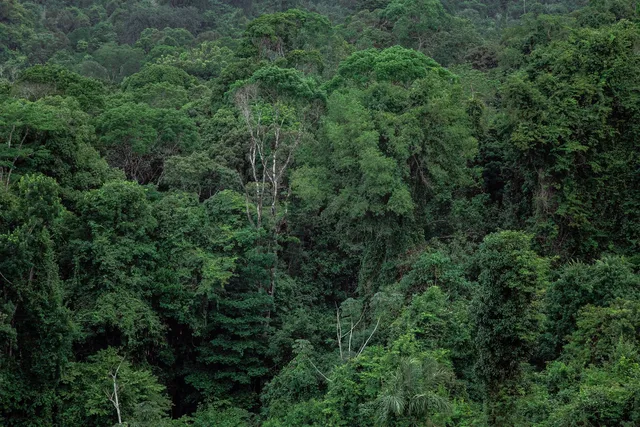
* Environmental Compliance: Always check local DENR regulations regarding camping in protected watersheds or forest reserves. * Wildlife Etiquette: Maintain a respectful distance from endemic species like tarsiers to avoid causing stress. * Leave No Trace: Ensure all waste is packed out to protect the delicate balance of the local ecosystem. * Biodiversity Awareness: Research the specific endemic species of your chosen campsite to enhance your observational experience. * Safety Gear: Carry appropriate gear for tropical humidity and sudden weather shifts common in forest environments.
Connecting with Nature through Digital Storytelling
The rise of nature-focused content on platforms like YouTube has allowed a new generation of creators to showcase the splendor of the Philippines. While many large-scale networks focus on general entertainment, a growing niche of creators is dedicated to the "Animals & Nature" category. These creators use high-definition cinematography to bring the microscopic details of the Philippine jungle and the vastness of its oceans to a global audience.
By documenting the beauty of the Philippine wilderness, these creators act as unofficial ambassadors for conservation. They highlight the importance of the DENR’s mission and foster a sense of global stewardship. For the viewer, watching these expeditions provides a form of "digital healing," a way to connect with the natural world from a distance, while for the adventurer, it serves as a roadmap to the most breathtaking corners of the archipelago.
The Future of Outdoor Exploration in the Philippines
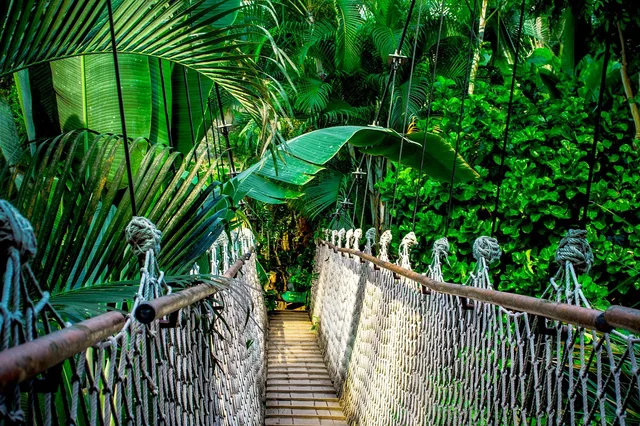
As we look toward the future, the synergy between environmental conservation and outdoor recreation will only deepen. The Philippines continues to be a frontier for biological discovery, with the degree of endemism expected to rise as more remote areas are studied. For the modern traveler, this means that the "healing camping life" is not just about relaxation; it is about participating in a living, breathing, and evolving masterpiece of nature.
Whether you are drawn by the allure of the smallest primate or the majesty of the largest moth, the Philippines offers a profound connection to the earth. By respecting the regulatory frameworks established by the government and embracing the principles of sustainable exploration, we can ensure that the wild beauty of these islands remains a source of wonder for centuries to come.
Frequently Asked Questions
What role does the DENR play in outdoor activities? The Department of Environment and Natural Resources (DENR) is the executive department responsible for the conservation and management of the country's natural resources. They regulate the use of forest lands, watersheds, and public domains, ensuring that activities like camping and trekking are conducted in a way that protects the environment for future generations.
What makes Philippine wildlife unique compared to other regions? The Philippines is a megadiverse country and a global biodiversity hotspot. It features a very high rate of endemism, meaning many of its species—such as the tarsier and the Philippine mouse-deer—are found nowhere else on Earth. Additionally, its surrounding waters host some of the highest levels of marine biodiversity globally.
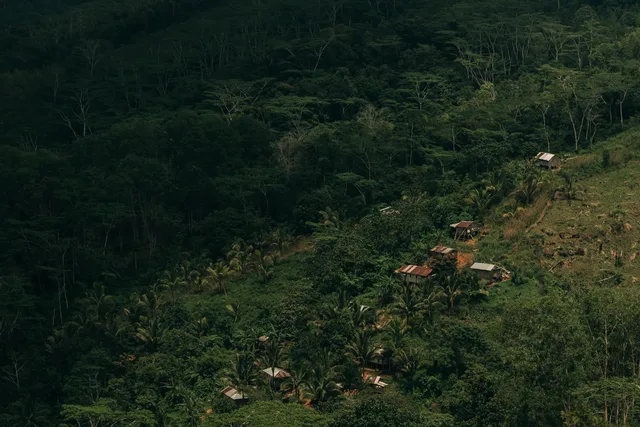
Is it safe to camp in remote Philippine forest areas? While the natural beauty is immense, camping in remote areas requires careful planning. It is essential to follow local guidelines, respect protected areas managed by the DENR, and be aware of the local wildlife. Proper preparation and adherence to "Leave No Trace" principles are vital for both personal safety and environmental preservation.




Comments 0