8 Must-Try Filipino Food Spots: A Culinary Journey Awaits
"To truly understand a culture, you must look at what is on their dinner plates."
If you want to explore a culinary world where rich ingredients meet unique spices, you are in the right place. Watching food creators navigate local markets and kitchens offers a window into a way of life that goes far beyond a simple meal.
* Experience the raw energy of local food scenes. * Explore a spectrum from street snacks to gourmet plates. * Gain a deep understanding of regional food traditions.
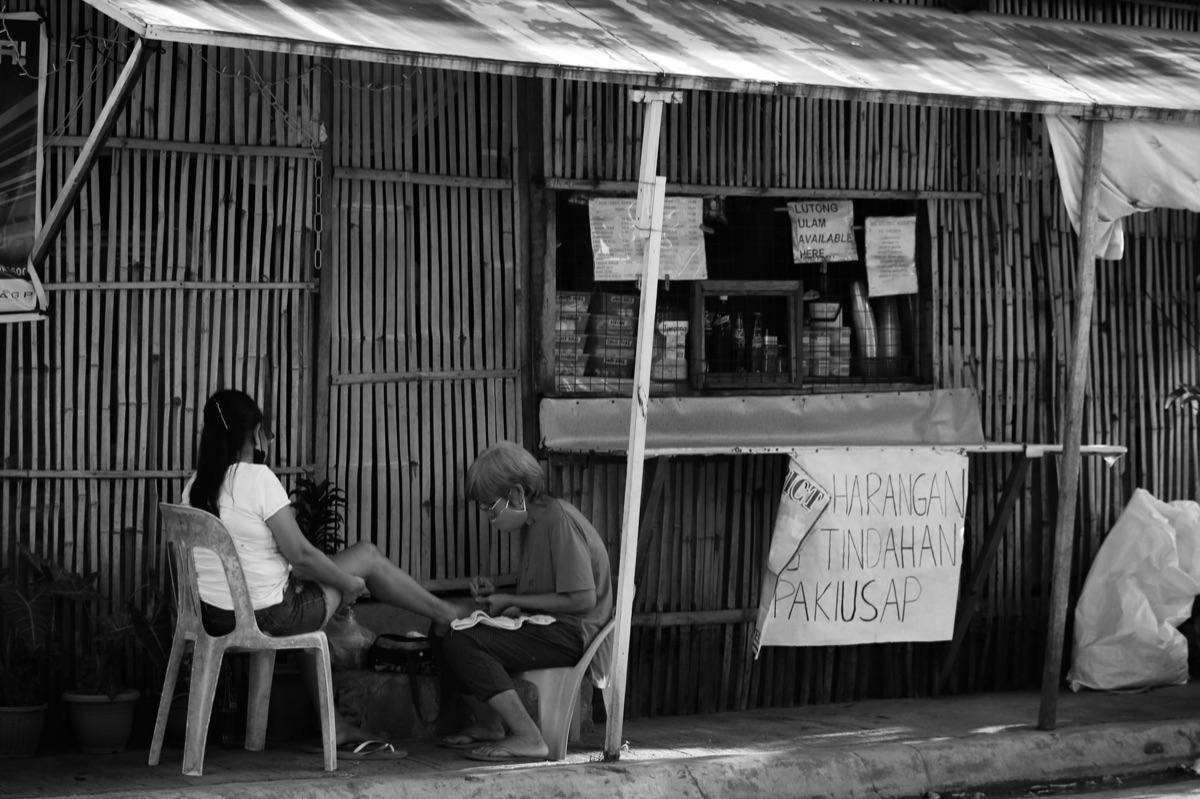
Why are we obsessed with food travel videos?
Late at night, you lie in bed scrolling through your phone, watching a creator take a steaming bite of savory chicken adobo. The sound of a crispy fry or the ambient noise of a bustling night market makes you feel as if you have been transported to a busy street in Manila.
I remember the first time I subscribed to a local food channel; I realized these weren't just meal logs, but living documentaries of a culture.
According to the Food and Agriculture Organization of the United Nations, the Philippines was the world's second largest producer of coconuts in 2009, producing 19,500,000 tonnes.
The archipelago's geography provides an abundance of seafood and tropical fruits, blended with a complex history of Spanish and American influences. Because of this, food is more than just sustenance; it is a vessel for regional identity.
Creators act as guides, drawing a colorful map of flavors for viewers to follow.
They build fanbases by telling the story of the people behind the food, not just the ingredients. Some creators focus on high-end dining, while others find beauty in a tiny roadside stall. This variety keeps viewers coming back for more.
But looking at a screen is only the beginning; to find the real flavors, we have to look closer.
As of 2025, digital food content has become a primary way for viewers to vicariously experience global flavors from their living rooms. Watching a 10-minute video can trigger a sensory response that feels almost real.
Many viewers watch these clips for 30~45 minutes during their nightly breaks to unwind. A single viral clip can reach 5,000,000 views in just 24 hours. Seeing a steaming bowl of noodles at 100°C through a screen creates an immediate craving.
People often scroll through 20~30 short clips in one sitting to find the perfect recipe. This visual feast provides a quick 5-minute escape from daily stress. It is fascinating how a high-definition shot of melting cheese can captivate millions.
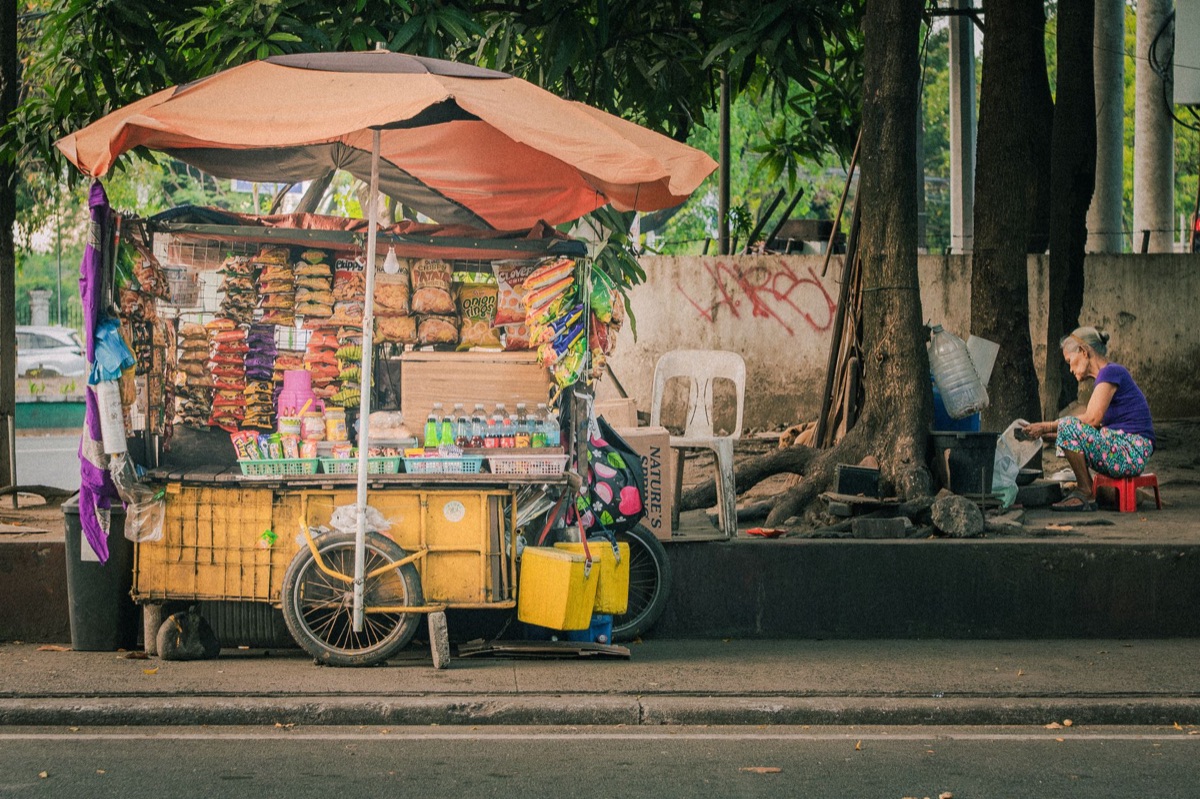
Why is finding hidden local spots so much fun? At high noon, a creator wipes sweat from their forehead while navigating a narrow, sun-drenched alleyway before stopping at a humble shack. When they pull a steaming plate of food from a kitchen with no sign, viewers feel the thrill of discovering a hidden treasure.
Many creators bypass flashy mall restaurants to find "carinderias"—small, local eateries. These spots offer the authentic flavors you won't find in tourist-centric cafes. You see the true eating habits of the locals through various balances of salty, sour, sweet, and spicy.
These channels also serve as a guide to regional differences. By showcasing how ingredients change from Luzon to Visayas to Mindanao, creators reveal the depth of the nation's culinary heritage. It feels like an ethnographic record of a living culture.
However, searching for these gems often leads to a specific kind of challenge: the temptation of the street.
- Look for restaurants located in narrow alleys away from main tourist streets.
- Check for menus that only offer 3~5 specialized house dishes.
- Observe the local crowd density to gauge authenticity.
- Ask a resident for a recommendation within a 1km radius of your current location.
Why is street food exploration so dynamic?
The air is thick with smoke in a crowded night market, filled with the sound of sizzling skewers and loud laughter. When a creator reaches for a controversial snack like balut without hesitation, the audience feels a mix of tension and curiosity.
Street food offers the most accessible and intense culinary experiences. Creators cover everything from cheap, everyday snacks to adventurous dishes that might challenge a foreigner's palate. This sense of adventure provides a thrill that keeps viewers engaged.
Exploring street food captures the energetic pulse of local life. Eating from a roadside stall or a moving vehicle symbolizes a relaxed, communal culture. Viewers feel as though they are walking alongside the creator, experiencing the energy firsthand.
Yet, beneath this vibrant scene, there is a layer of technical knowledge involved.
The energy of a night market is unmatched when you wander through stalls for 2~3 hours. You can often find a delicious snack for only $3~5 per serving. Walking through a crowded market for 30 minutes provides a sensory overload of smells and sounds.
I once found a tiny stall tucked behind a building that served the best dumplings I have ever tasted. When I tried this, I was surprised that the most flavorful meals came from vendors with only 2 plastic stools for seating.
What makes food creators' expertise and stories so great? Under the warm glow of a kitchen light, a creator stands before carefully prepared ingredients with a look of intense focus. As they explain a recipe step-by-step, the process looks less like cooking and more like creating art.
Some creators do more than just eat; they recreate traditional recipes or put a modern twist on old classics. They explain the origins of ingredients or the significance of a dish during a local festival. This turns entertainment into an educational experience.
This expertise builds trust. Viewers start to believe that if a creator recommends a place, it is worth the trip. The combination of technical skill and beautiful cinematography creates a loyal audience. But how do we choose which channel fits our specific interests?
| Content Type | Main Features | Best For |
|---|---|---|
| Local Explorer | Hidden gems and neighborhood eateries | Travelers seeking authenticity |
| Street Food Challenger | Night markets and unique snacks | Those seeking excitement and adventure |
| Cooking & Recipe | Traditional methods and home cooking | Home cooks and culture learners |
| Fine Dining Review | High-end restaurants and plating | Those interested in luxury dining |
How to find your perfect channel
- Define your goal: Decide if you need practical travel info or just visual entertainment. 2. Check the style: Determine if you prefer fast-paced editing or calm, cinematic vlogs. 3. Evaluate cultural depth: Look for creators who explain the "why" behind the food. 4. Watch the community: See how locals and travelers interact in the comments to judge credibility.
Following these steps allows you to immerse yourself in the culture. However, if you are planning a real trip, there are other factors to consider.
The World Health Organization projects that by 2070, under both high and low emissions scenarios, dengue fever transmission in the Philippines will remain at a high transmission level and over 150 million new people will be at risk of malaria.
A great creator spends 5~10 hours filming a single meal to capture the perfect shot. They often travel 500~1,000 kilometers just to find one specific ingredient. Their storytelling turns a simple 15-minute lunch into an epic narrative.
They use specific lighting to make colors pop, often adjusting settings for 2~3 minutes per shot. This level of detail makes the viewer feel like they are sitting at the table. It takes years of practice to master the balance of visual flair and authentic storytelling.
Advice for those preparing for a culinary journey
As the sun sets, the lights of various food stalls begin to flicker on. You stand in front of a recommended restaurant, menu in hand, feeling a sense of excitement. With the economic growth seen in 2025, the tourism infrastructure is constantly evolving to meet new travelers.
According to the World Health Organization, by 2070, dengue fever transmission in the Philippines will remain at a high transmission level.
The World Health Organization projects that by 2070, dengue fever transmission in the Philippines will remain at a high level. According to the IMF, the Philippines is the world's 33rd largest economy with a nominal GDP of $494.16 billion in 2025.
The World Health Organization projects that by 2070, dengue fever transmission in the Philippines will remain at a high level.
However, caution is necessary in areas with unclear hygiene. The way a creator eats might not be suitable for everyone. It is wise to balance your desire for adventure with your personal health needs. Let's look at some common questions regarding these travels.
Always carry a small amount of local cash, roughly $50, for vendors who do not accept cards. Plan to eat at different times, such as 11:30 AM or 6:00 PM, to avoid the heaviest crowds. Carry 2~3 different types of hand sanitizer for quick use before eating.
It is wise to pack 5~10 extra napkins in your bag for street food mishaps. I realized after my first trip that carrying a reusable water bottle is essential for long walking days.
When I tried this, I found that having a small portable power bank saved my ability to use maps while searching for food.




Comments 0